
Last updated October 16, 2026
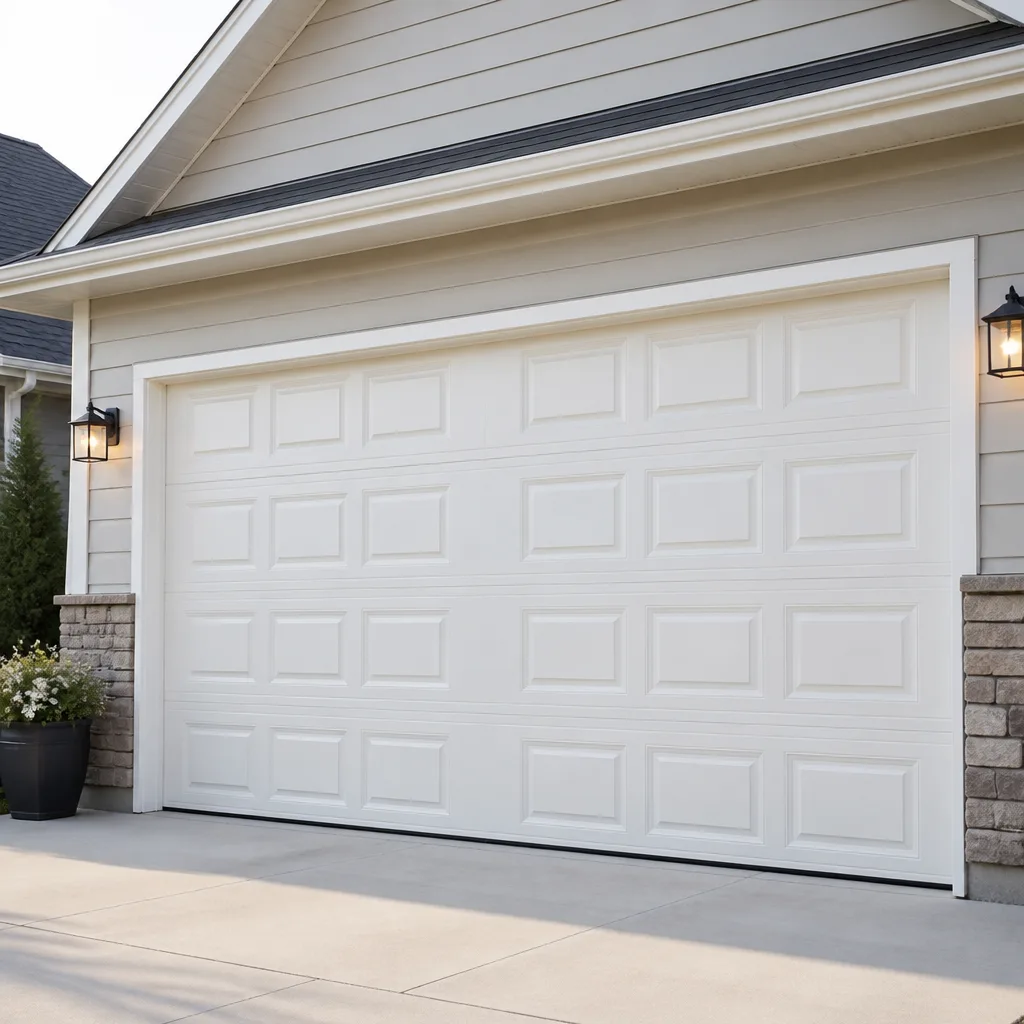 Raised-panel steel
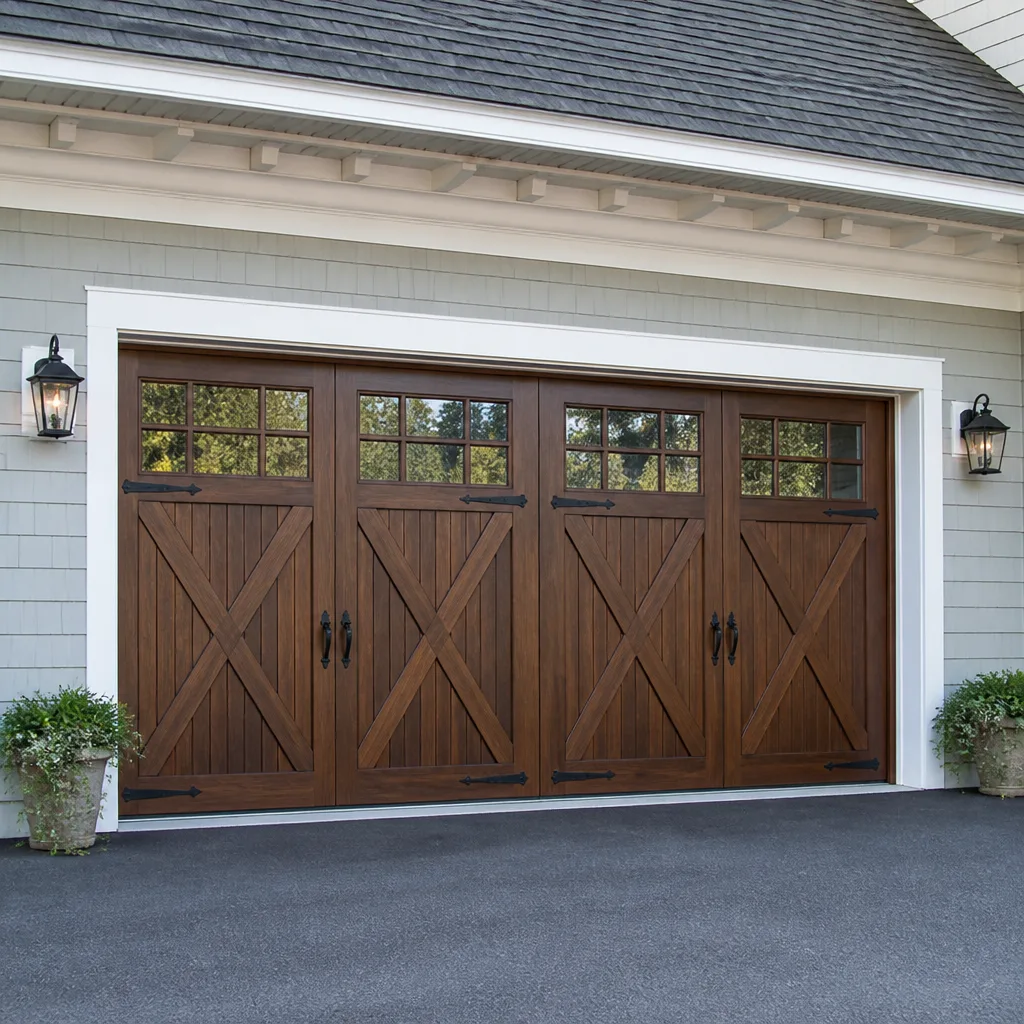 Carriage house
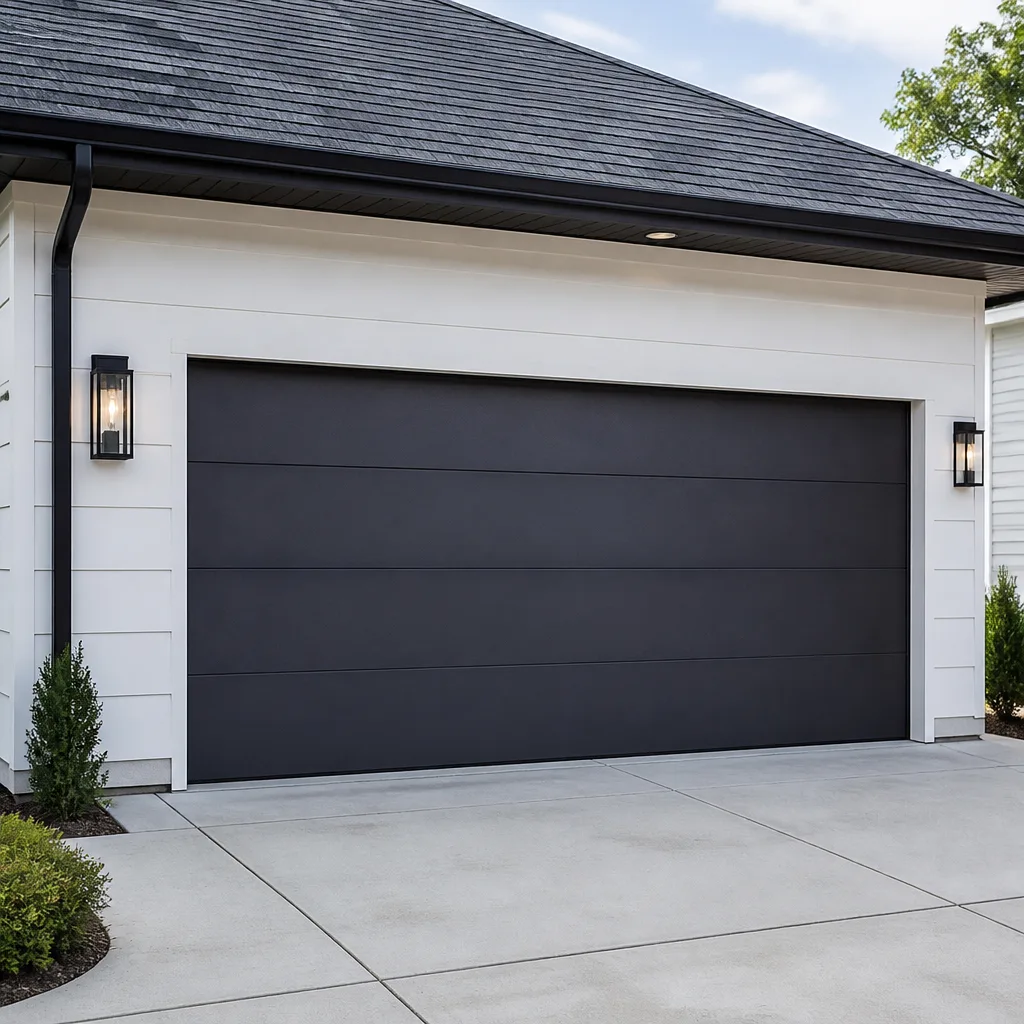 Modern flush
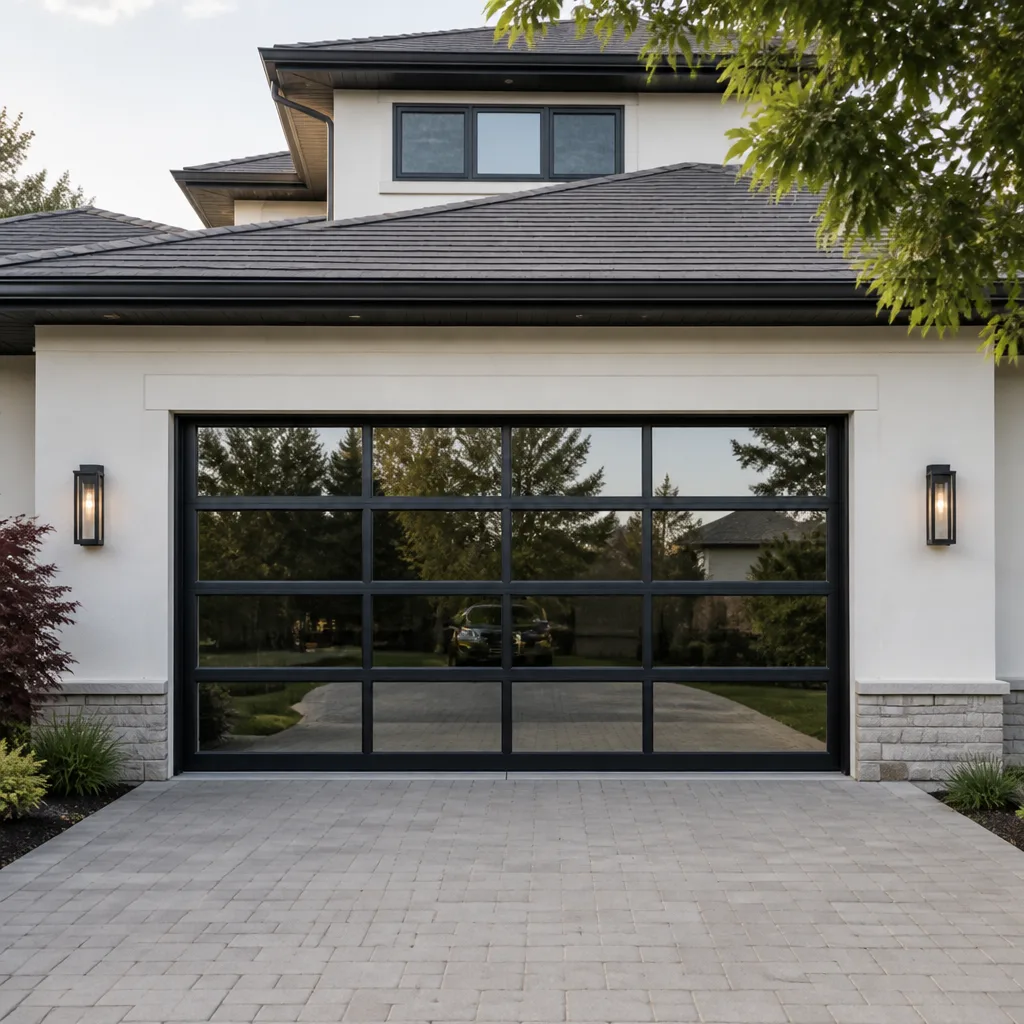 Full-view glass
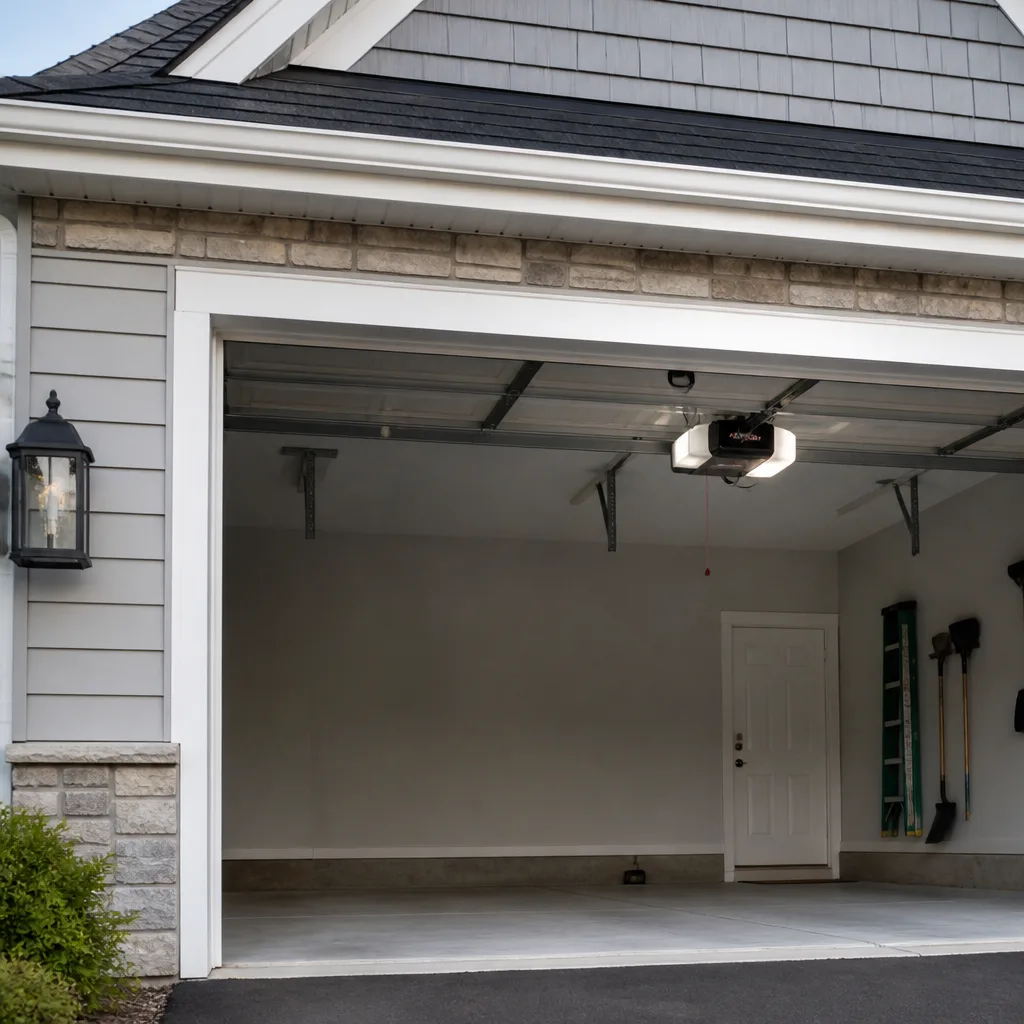 LiftMaster openers
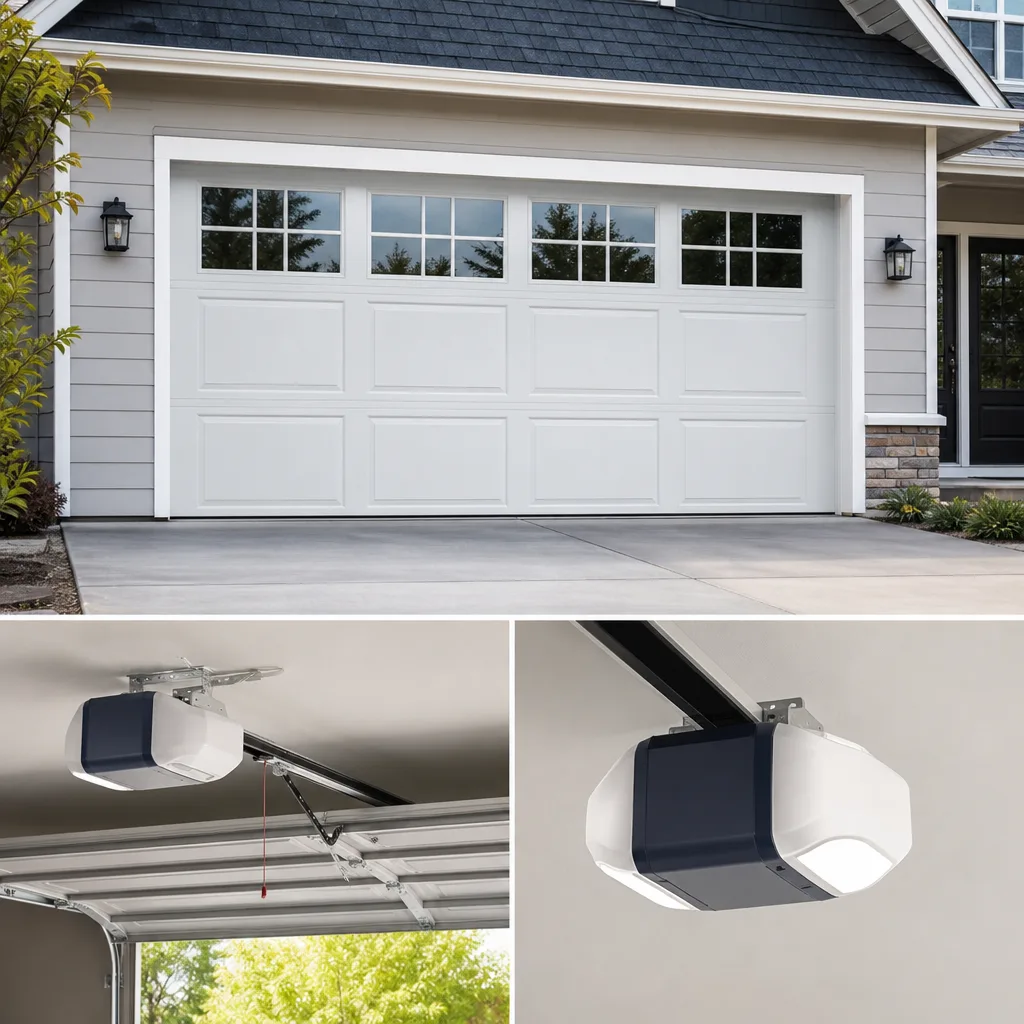 Chamberlain openers
Full 25-point door and opener safety check with every visit - springs, cables, rollers, tracks, and your LiftMaster or Chamberlain opener included
You get a price before we start. It does not change when the truck arrives.
Get your free estimateGarage Door Permits, Codes & Inspections in CA: What You Need to Know
A garage door replacement that requires a permit but doesn’t get one won’t just fail inspection. It can surface as an unpermitted alteration during a home sale title search years later, and by then the contractor who skipped the paperwork is long gone. California’s permit rules for garage doors are narrower than most contractors admit, but the exceptions that do exist are exactly the jobs where skipping them creates title and insurance problems at closing. This guide walks through what actually triggers a permit in Long Beach, what UL 325 means for your opener, how to verify a contractor pulled the permit they charged you for, and where most homeowners get burned. For Garage Door Warning Signs: A Long Beach Homeowner’s Reference Guide, see our dedicated resource.
Styles & brands we work with
Quick Answer
Most like-for-like garage door replacements in California do not require a building permit, but structural modifications, header work, or changes to the opening size almost always do. Garage door opener installations must meet UL 325 safety standards regardless of permit status, and non-compliant openers can void a homeowner’s insurance claim after an injury. In Long Beach, permit submissions go through the Building & Safety Division, and you can confirm whether a permit was finaled through the city’s online permit portal.
Table of Contents
- What Triggers a Permit in California
- Like-for-Like Replacement: The 90% Case
- UL 325 and Your Opener: What the Code Actually Says
- Long Beach Specifics: Building & Safety Division Requirements
- Header Work and Door Upsizing: Where Permits Become Non-Negotiable
- How to Verify a Permit Was Pulled and Finaled
- What Permits Cost and Who Pays
- Common Mistakes to Avoid
- When to Call a Professional
- Frequently Asked Questions
- The Bottom Line
What Triggers a Permit in California
Here’s the counterintuitive part: replacing a garage door itself is rarely the permit trigger. The trigger is almost always what’s behind the door. Under California Building Code Title 24, a building permit is required when you modify the structural opening, alter or replace the header beam above the door, or change the dimensions of the rough opening. Putting a new door on an existing, unmodified opening is classified as a like-for-like replacement, and most jurisdictions, including Long Beach, treat that as routine maintenance rather than construction.
The confusion happens because contractors often say “you don’t need a permit for a garage door” without clarifying the boundary. That statement is true for the door itself, and false the moment anyone touches the framing. In our experience in Long Beach, homeowners find out about this distinction at exactly the wrong time: during escrow, when the title report flags an unpermitted structural alteration and the buyer’s lender pauses the loan. By then, the fix isn’t a quick paperwork filing. It’s opening walls, exposing framing, and paying for an engineer’s assessment retroactively.
What actually requires a permit:
- Cutting into or reinforcing the header beam above the garage door opening
- Widening or heightening the rough opening for a larger door
- Adding a new opening where none existed, such as converting a wall into a garage door
- Installing support posts or modifying load-bearing walls adjacent to the door
- Switching from a standard sectional door to a full-view glass or custom system that changes the weight load on the opening
What does not require a permit in most cases:
- Replacing a sectional garage door with another sectional door of the same size
- Replacing the tracks, rollers, hinges, or torsion springs on an existing door
- Replacing a garage door opener with a UL 325-compliant model
- Replacing panels on an otherwise intact door system
- Repairing or replacing cables through a service like our garage door cable repair in Long Beach
The simplest way to think about it: if the concrete and framing stay exactly where they are, you’re probably in maintenance territory. If the footprint changes, you’re in permit territory.
Like-for-Like Replacement: The 90% Case
Most homeowners in Long Beach will never need a permit for their garage door, because most replacements are swamps. A standard 16×7 sectional door from a brand like Clopay, Amarr, or Wayne Dalton mounts to the existing tracks and springs, and the rough opening was framed decades ago and never touched. That’s the 90% case, and it’s why the permit conversation often doesn’t come up at all.
But here’s where it gets subtle. “Like-for-like” doesn’t mean “looks the same.” It means the structural load on the opening is materially unchanged. A homeowner might think replacing a wood door with a steel door is like-for-like because the dimensions match, but wood and steel doors weigh differently, and that difference matters. A heavy wood carriage door dismantled and replaced with a lighter steel door changes the spring configuration and possibly the bracket anchoring. That’s a garage door repair consideration, not usually a permit issue, but a good contractor will check the anchor points when the weight class changes. For ongoing upkeep tips, see our Garage Door Repair Maintenance Checklist for Long Beach Homeowners.
What we tell Long Beach homeowners: if you’re replacing a door with the same material type, same size, and same track configuration, you don’t need a permit, and any contractor who insists you do is either confused or padding the invoice. If your door is changing weight class, or you’re going from a standard panel door to something like a full-view aluminum door, the anchoring and spring system need to be reassessed. That’s a technical job detail, not a permit trigger by itself, but it changes the scope.
For the 90% case, the bigger compliance issue is the opener, not the door. Which brings us to UL 325.
UL 325 and Your Opener: What the Code Actually Says
UL 325 is not a permit. It’s a safety standard administered by Underwriters Laboratories that governs automatic gate and garage door operators. It was revised in 2016, and since then, every new residential garage door opener sold in the United States must meet the updated standard, which requires a secondary entrapment protection device: either a pair of photoelectric sensors mounted at the base of the door opening or an active reversal system that detects obstruction and reverses the door without contact. Most modern openers from brands like Craftsman include both.
Why this matters for your insurance: a homeowner’s policy typically covers personal injury claims under the liability portion, but policies routinely exclude injuries caused by equipment that was not code-compliant at installation. If someone is injured by a garage door that was installed with a non-UL 325-compliant opener, the insurer can deny the claim on the grounds that the equipment was illegally or improperly installed. That’s not a hypothetical. It’s a documented exclusion in standard HO-3 policies.
In practice, what this means for Long Beach homeowners:
- If your opener was manufactured before 2016 and you’re replacing the door, strongly consider replacing the opener at the same time even if it still works.
- If a contractor offers to install a used opener, verify its UL 325 compliance label. Openers without the label should not be installed, period.
- Photoelectric sensors must be mounted no higher than 6 inches from the floor and aligned correctly. Sensors that are zip-tied to the ceiling or bypassed are the single most common safety defect we see on garage door opener repairs in Long Beach.
- After installation, test the auto-reverse function monthly, not just after the tech leaves. Place a 2×4 flat on the floor under the door’s path and close it. The door should reverse within two seconds of contact.
UL 325 compliance is not something a permit enforces. No building inspector in Long Beach is going to come out to inspect a garage door opener installation, because openers don’t require a permit. The standard is enforced only by the contractor’s integrity and your insurance company’s willingness to pay a claim. That’s why the installation quality matters more than the paperwork on this particular item.
If your opener is failing, glitching, or refusing to reverse properly, garage door opener repair in Long Beach should address the sensor alignment and force settings as part of the job. A repair that doesn’t verify UL 325 compliance isn’t a complete repair.
Long Beach Specifics: Building & Safety Division Requirements
Long Beach operates its own Building & Safety Division rather than deferring to Los Angeles County, which means the permit process is municipal, not county-level. That’s an administrative detail with a practical consequence: Long Beach has its own online permit portal, its own fee schedule, and its own plan review turnaround times. You don’t file through LA County. You file through Long Beach, and the process is generally faster than county-level reviews.
Here’s what a garage door permit submission in Long Beach actually requires:
- Building permit application through the Long Beach Development Services online portal or in person at City Hall
- Two sets of dimensioned drawings showing the existing opening, the proposed opening, and the header construction above the door
- Structural calculations from a licensed California engineer if the header is being modified or the load above the opening changes
- Photographs of the existing conditions before work begins, including the interior side of the header and the wall framing on either side of the door
- Contractor information including the contractor’s California license number, which you can verify through the Contractors State License Board
Plan review for a simple garage door permit in Long Beach typically runs 5 to 10 business days, though it depends on the volume at the Building & Safety counter and whether the structural calculations are clean. A straightforward like-for-like replacement won’t go through plan review at all, because it won’t be submitted. The permits that do get submitted are almost always tied to structural work, and those get read by an actual plan checker, not rubber-stamped.
One thing that surprises people: the inspection happens twice. Once at rough-in, when the framing and header are exposed and the inspector can verify the structural connection method, and once at final, when the door is hung and operating. Skipping the rough inspection because the sheetrock was already closed is a common mistake and means the project can’t be finaled until the inspector can see the framing.
Header Work and Door Upsizing: Where Permits Become Non-Negotiable
The header is the horizontal beam that spans the top of the garage door opening, and it carries the load from whatever sits above it: second-story floor, roof rafters, maybe a bedroom. When a homeowner wants a taller door, the header has to move upward, and that means the load path changes. That is not a judgment call. It’s structural engineering, and California Building Code Title 24 Section 2308 covers conventionally framed headers with specific sizing tables.
Here’s what happens when a door is upsized without a permit and without an engineer’s drawings. The existing header was sized for the original opening span and the original load above it. Raise it or widen it, and the header may be undersized for the new configuration. The wall above the door can deflect. Drywall cracks at the corners of the garage ceiling. In a severe case, the header sags enough that the door starts binding against the side tracks, and the repair becomes a framing job, not a door job.
That’s the physical problem. The legal problem compounds it. When the house is sold, the title company’s natural hazard disclosure asks whether any work was done without permits. A garage conversion or door upsizing that never went through the Building & Safety Division is a disclosable defect. If it’s not disclosed and the buyer discovers it after closing, the seller can be pulled back into a mediation or lawsuit over the unpermitted work. The buyer’s lender may also refuse to finance until the unpermitted structural work is retroactively permitted and inspected, which costs more than the original permit would have.
What an engineered drawing for a door upsizing costs in Long Beach: typically $800 to $1,500 for a simple header redesign, depending on the load above and whether the engineer needs to visit the site. That’s a line item a contractor should quote before work begins, and it’s one of the places where a written price before work starts protects the homeowner. We put every structural quote in writing on our Brock Garage Doors Long Beach home service process because that’s where surprise invoices happen.
How to Verify a Permit Was Pulled and Finaled
If a contractor tells you they pulled a permit, you don’t have to take their word for it. Long Beach’s online permit portal allows anyone to search by property address and view the status of any permit application associated with that address. The verification process is free and takes about five minutes.
Here’s the step-by-step:
- Go to the Long Beach Development Services website and locate the online permit portal.
- Search by street address, not by job site sign or contractor name. Permits are tied to the property, not the person.
- Find the permit number associated with your garage door project. If the contractor pulled a permit, it will be listed with a status.
- Look for the status “Finaled” or “Final Inspection Approved.” A permit that was pulled but never finaled is an open permit, and open permits are a title defect that can delay a sale.
- If you see a permit application with a status of “Voided” or “Expired,” the contractor didn’t complete the permit process.
- If no permit appears at all and the contractor claimed one was pulled, you have a problem to resolve before the work proceeds.
The phrase to know is “finaled permit.” A permit that was issued but never finaled means the inspector never signed off on the completed work. It’s an open enforcement item on the property record. When a buyer’s title search finds an open permit, the transaction can stall until the work is inspected and closed. That inspection may require exposing work that’s already been covered by drywall, which is an expensive and disruptive fix.
What Permits Cost and Who Pays
Long Beach permit fees for a straightforward garage door permit, when one is required, typically run $200 to $500 depending on the scope and the valuation listed on the application. Structural work with engineered drawings falls at the higher end because the plan review time is billed separately. These are city fees only, not the contractor’s markup or the engineer’s fee.
Who pays is a negotiation, not a standard. Some contractors include the permit fee in the quote. Others list it as a separate line item. Both approaches are legitimate, but the important thing is that it appears in writing. A verbal agreement about who covers the permit is exactly the kind of arrangement that leads to a final invoice that doesn’t match the original conversation.
Here’s a breakdown of realistic costs for Long Beach garage door permit scenarios:
| Scenario | Permit Fee | Engineering Cost | Total Before Construction |
|---|---|---|---|
| Like-for-like door replacement | $0 (no permit required) | $0 | $0 |
| Door plus header modification | $200 – $400 | $800 – $1,500 | $1,000 – $1,900 |
| Door upsizing with new opening | $400 – $500 | $1,200 – $2,500 | $1,600 – $3,000 |
| Open permit finalization (after-the-fact) | $400 – $600 | Varies by exposure | $400 – $600+ |
These numbers reflect what we see in Long Beach specifically, and they reflect what it costs to do the paperwork correctly the first time, which is always less than doing it retroactively. A permit that was never pulled and gets caught at sale typically costs two to three times the original fee once you factor in the after-the-fact penalty, the additional review time, and the cost of opening up finished work for inspection.
Common Mistakes to Avoid
- Believing “you don’t need a permit for a garage door” without asking follow-up questions. That statement covers the door panel itself. It does not cover framing, header, or opening modifications. Ask the contractor to confirm in writing that no structural work is included before you sign.
- Paying for a permit the contractor never pulled. Some contractors line-item a permit fee and then never submit the application. Verify the permit exists in the Long Beach portal before the job starts, not after the final invoice arrives.
- Closing up walls before the rough inspection. If the permit requires a rough inspection, the framing has to be visible. Closing the wall first means an inspector can’t verify the structural connection, and the permit can’t be finaled until the wall is reopened.
- Ignoring UL 325 on a replacement opener. A used or non-compliant opener might work fine until the day someone gets hurt, and then the insurance claim gets denied. Confirm compliance before installation, not after.
- Not testing the auto-reverse after someone services the door. A technician can adjust force settings too high to overcome a door that’s binding, which disables the safety reversal. Test it monthly with a 2×4.
- Treating a wood door as like-for-like with a steel door. Weight class matters. If the door changes weight class, the springing and anchoring need reassessment, and in some cases that becomes a structural conversation.
- Assuming the title company won’t catch unpermitted work. Long Beach’s online permit records are searchable by property address, and title companies check them. The discovery happens at the worst possible moment: between contract and close.
When to Call a Professional
If your garage door project involves the header, the rough opening, or any change to the framing, that work belongs with a contractor who has a California license on file and who will put the permit and price in writing before any work starts. Structural garage door work is not a handyman project, and it’s not a job where you want to discover in escrow that the framing was never inspected. In Long Beach, a garage door repair professional in Long Beach should be able to tell you clearly whether your job triggers a permit and handle the submission as part of the scope. Brock Garage Doors Long Beach offers free estimates in Long Beach, and we always provide a written price before work begins. Call (562) 337-3993 to talk through your specific situation.
Frequently Asked Questions
No, not for a like-for-like replacement of the same size and weight class. You do need a permit if the job involves structural work, such as modifying the header, changing the rough opening dimensions, or altering load-bearing framing. Most door-only replacements fall on the no-permit side. Call (562) 337-3993 if you’re not sure which category your job falls into.
Search the Long Beach Building & Safety Division’s online permit portal by your street address. Any permit associated with the property will appear with its status. If the contractor claimed a permit was pulled but nothing shows up, verify before the work proceeds.
UL 325 is a safety standard that requires residential garage door openers to have a secondary entrapment protection device, typically photoelectric sensors. Non-compliant openers can void your homeowner’s insurance claim if someone is injured by the door, because the equipment was not installed to current safety standards.
Plan review for a straightforward garage door permit in Long Beach typically runs 5 to 10 business days. More complex structural work with engineered drawings can take longer. The inspection happens in two stages: rough-in and final.
You inherit the problem. An unpermitted structural alteration can show up in the title search as an open item, and the lender may pause financing until the work is retroactively permitted and inspected. That process involves opening up walls and paying after-the-fact fees, which cost more than the original permit would have.
Yes, opener installation does not require a permit in Long Beach. But the opener must meet UL 325 standards, and the installation must include properly aligned photoelectric sensors and a functioning auto-reverse. Improper installation creates a safety risk and a potential insurance exclusion.
The Bottom Line
Most garage door replacements in California don’t need a permit, and any contractor who insists otherwise without structural work involved is inflating the scope. The jobs that do need permits are the ones where the framing, header, or opening dimensions change, and those are the jobs where skipping the paperwork creates title problems and insurance exposure down the road. Verify permits in the Long Beach portal, confirm UL 325 compliance on your opener, and get your price in writing before the first bolt turns. Browse more guides & resources for additional Long Beach garage door help. The permit question is simpler than most people think, but the consequences of getting it wrong are not.
Written by Wade Mercer, Owner at Brock Garage Doors Long Beach, serving Long Beach since 2001.
See the difference
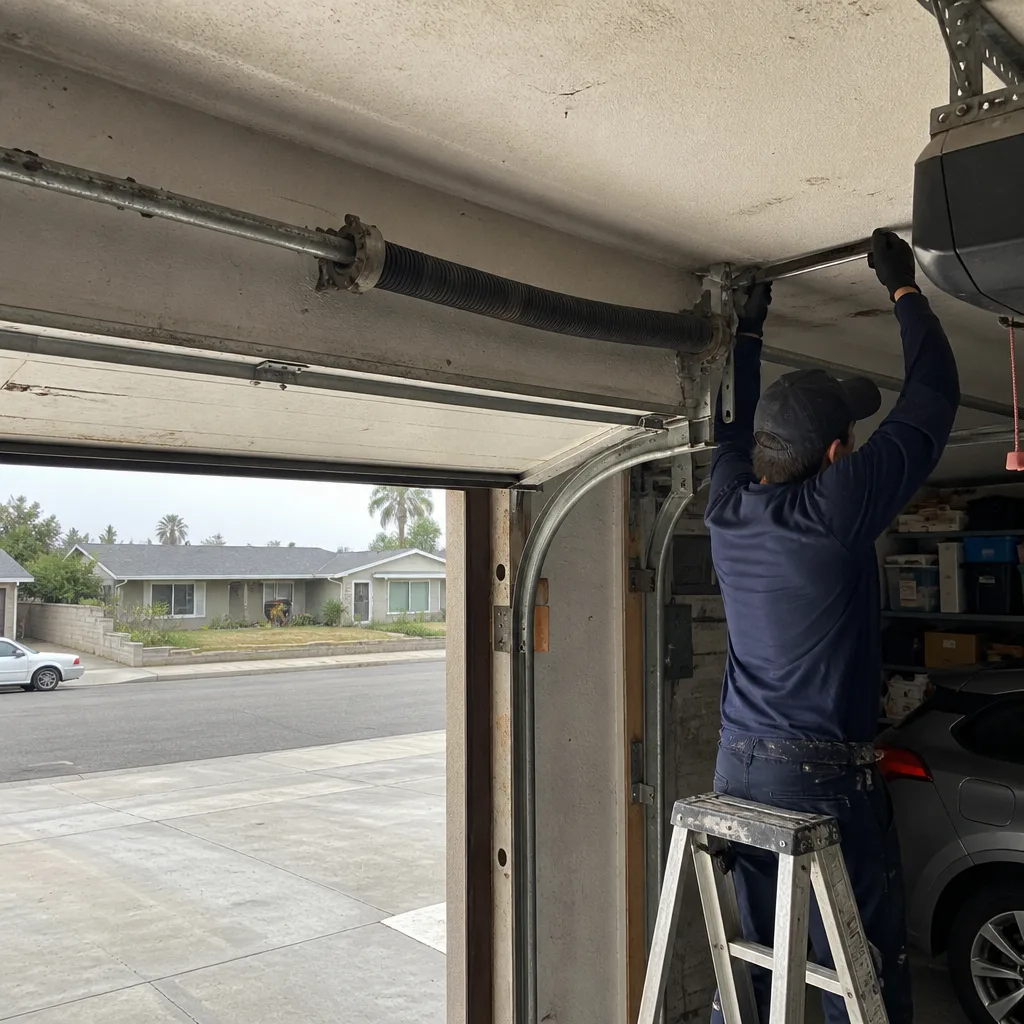 Before
 After
After Before
 After
After Before
 After
After