
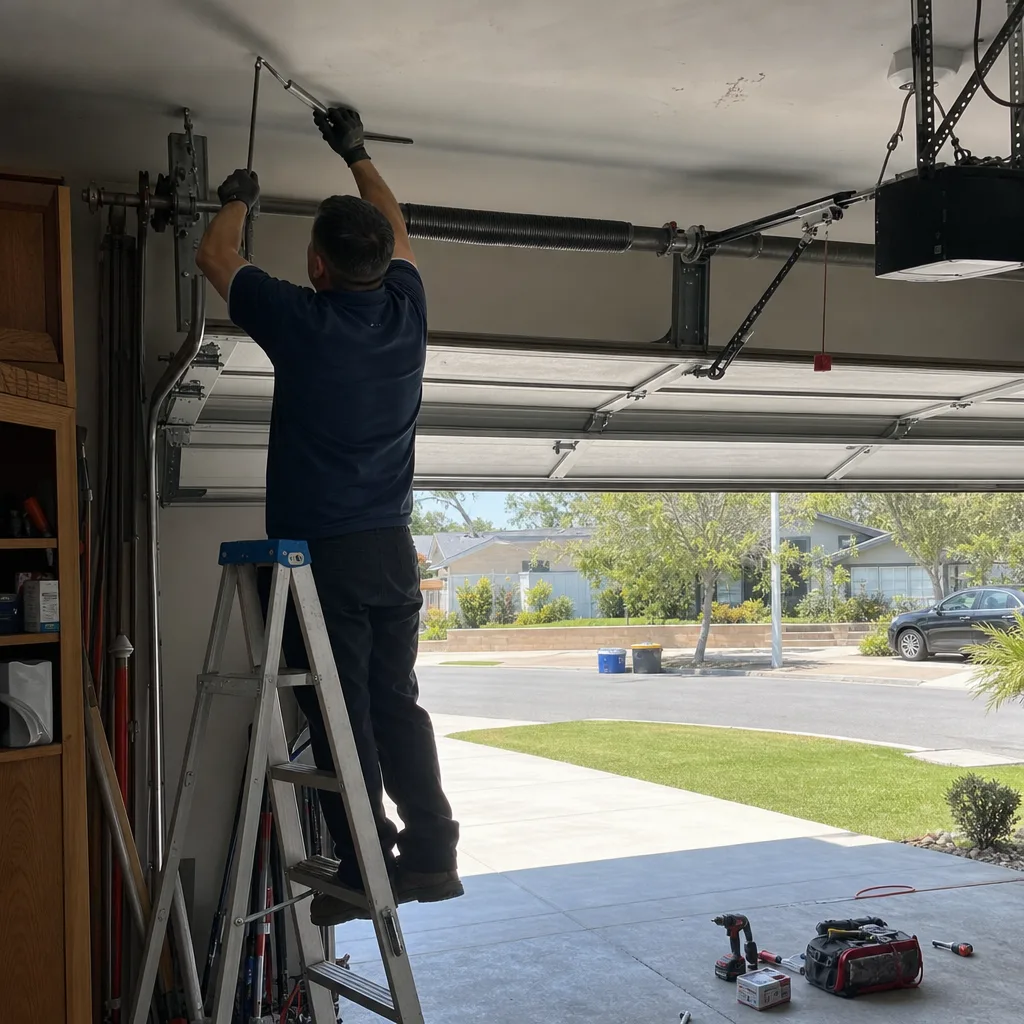
Last updated October 16, 2026
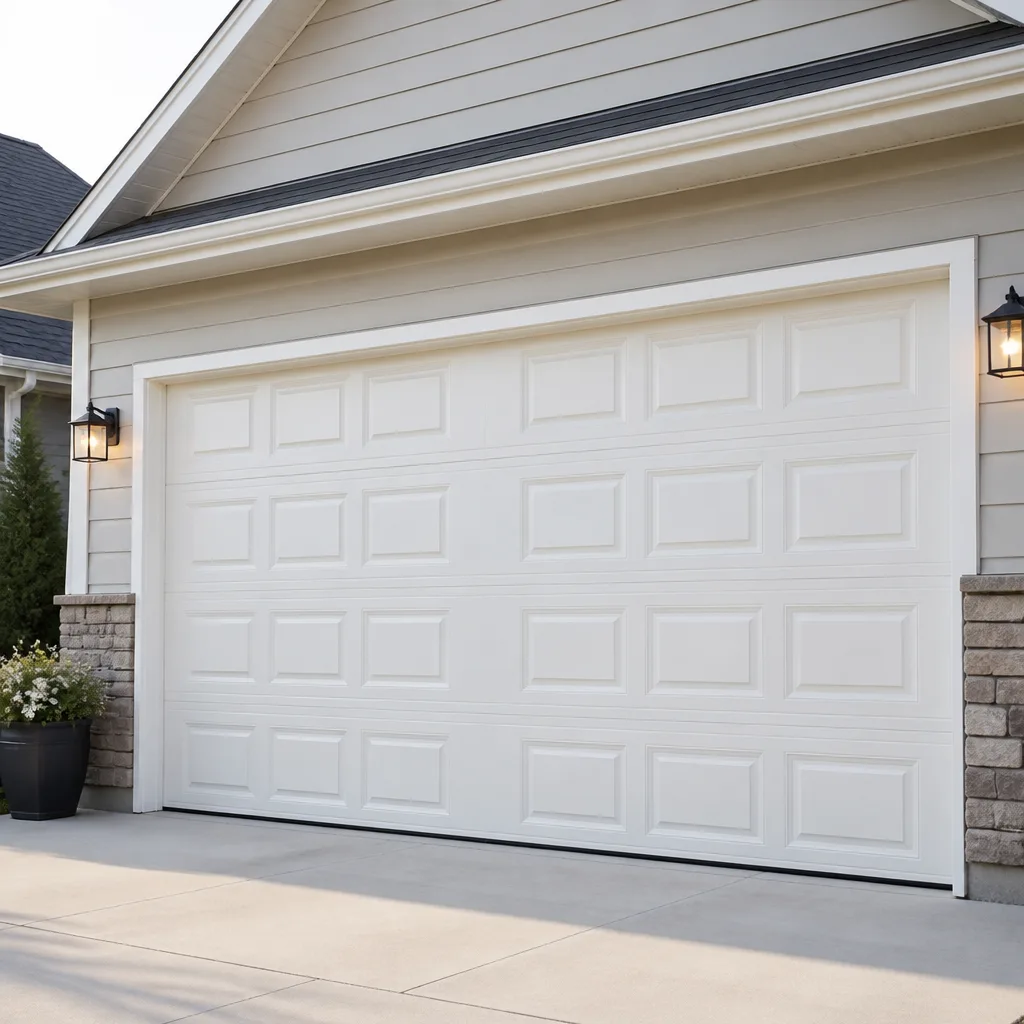 Raised-panel steel
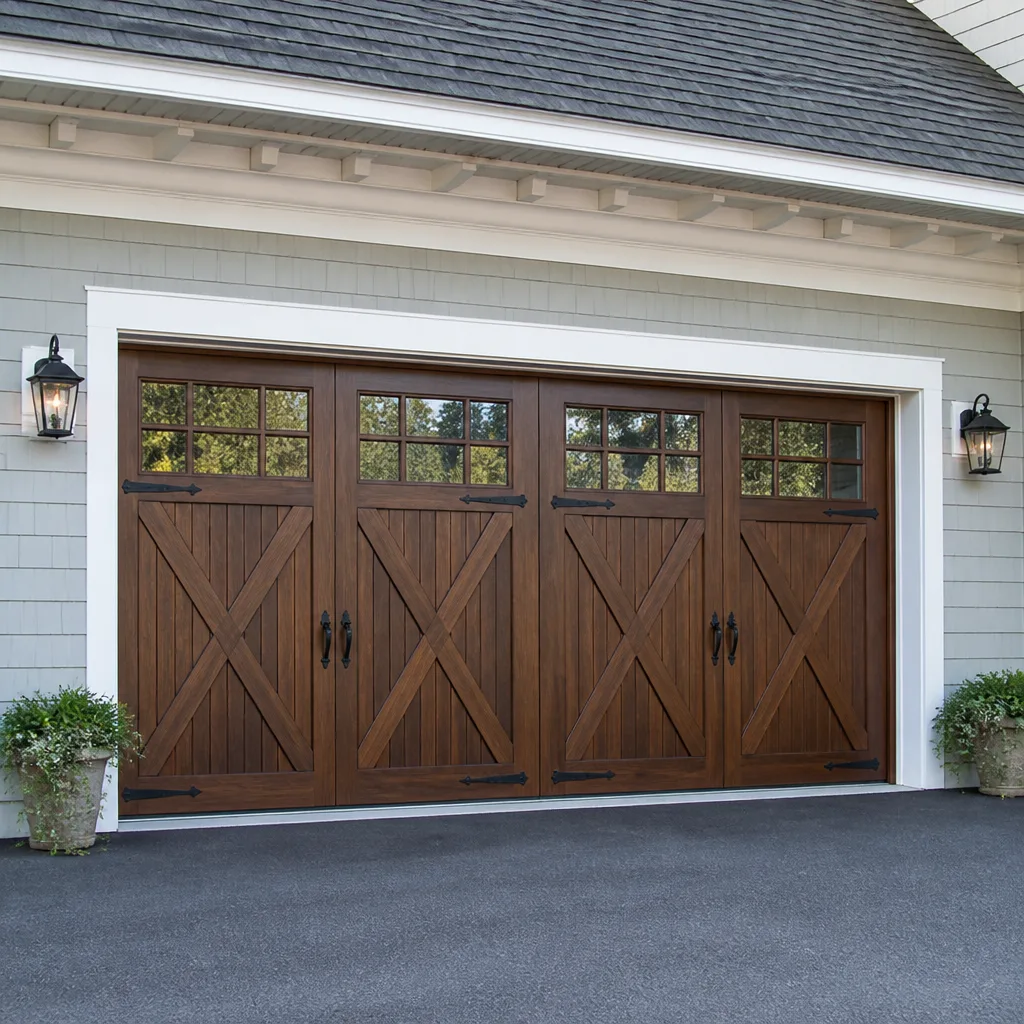 Carriage house
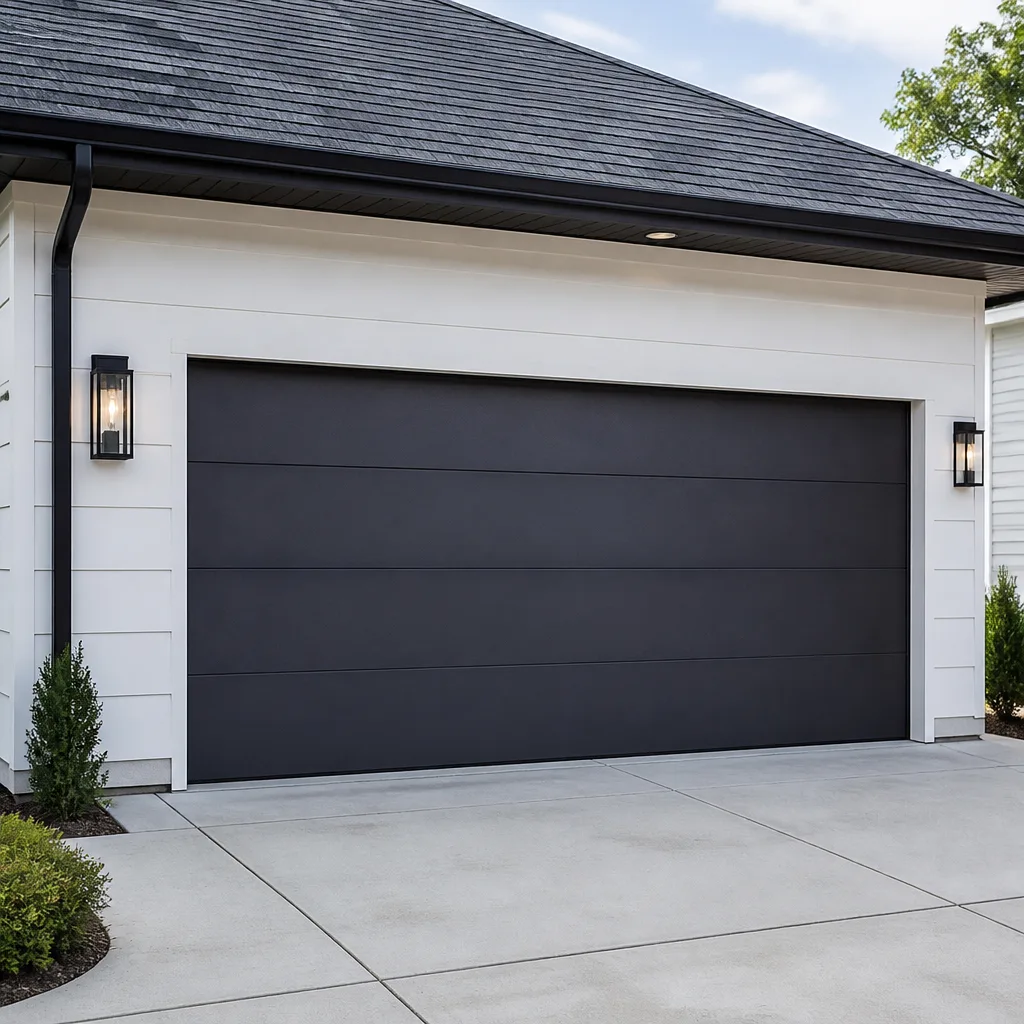 Modern flush
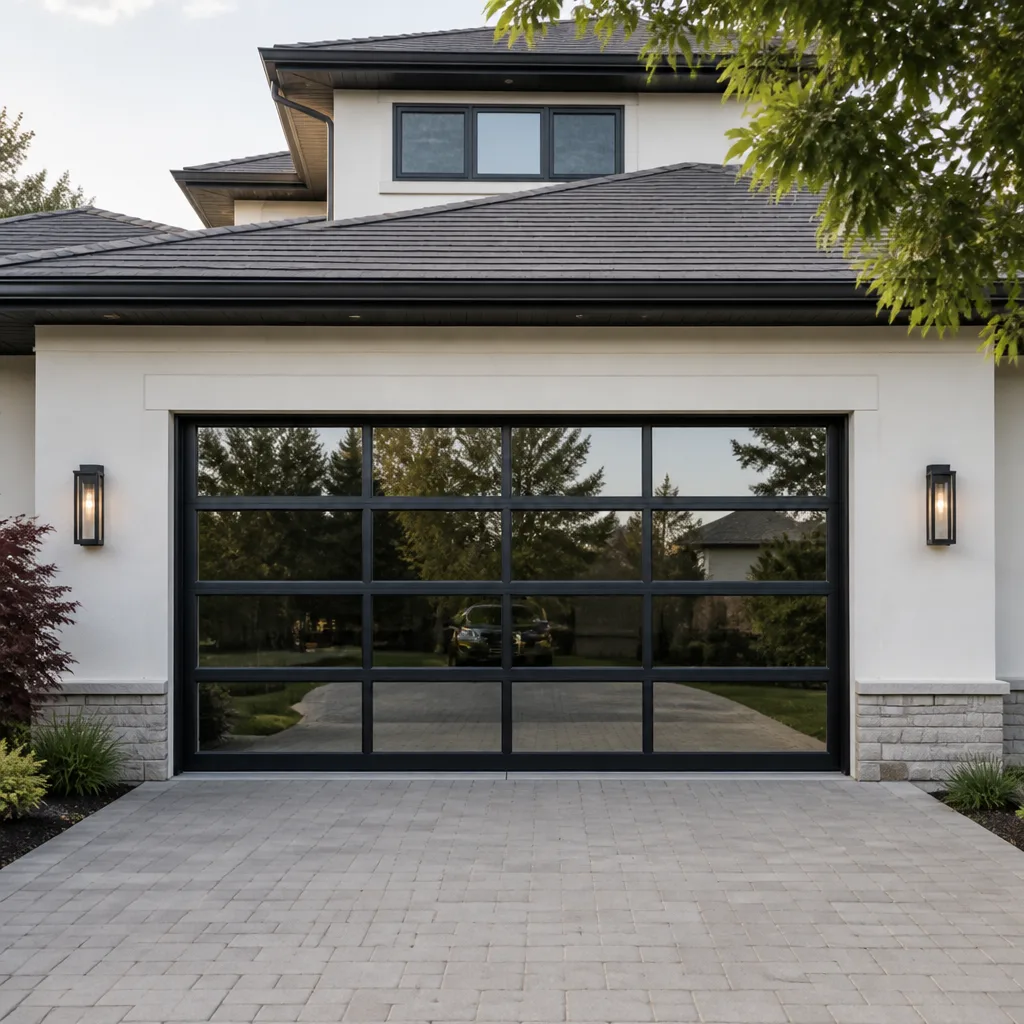 Full-view glass
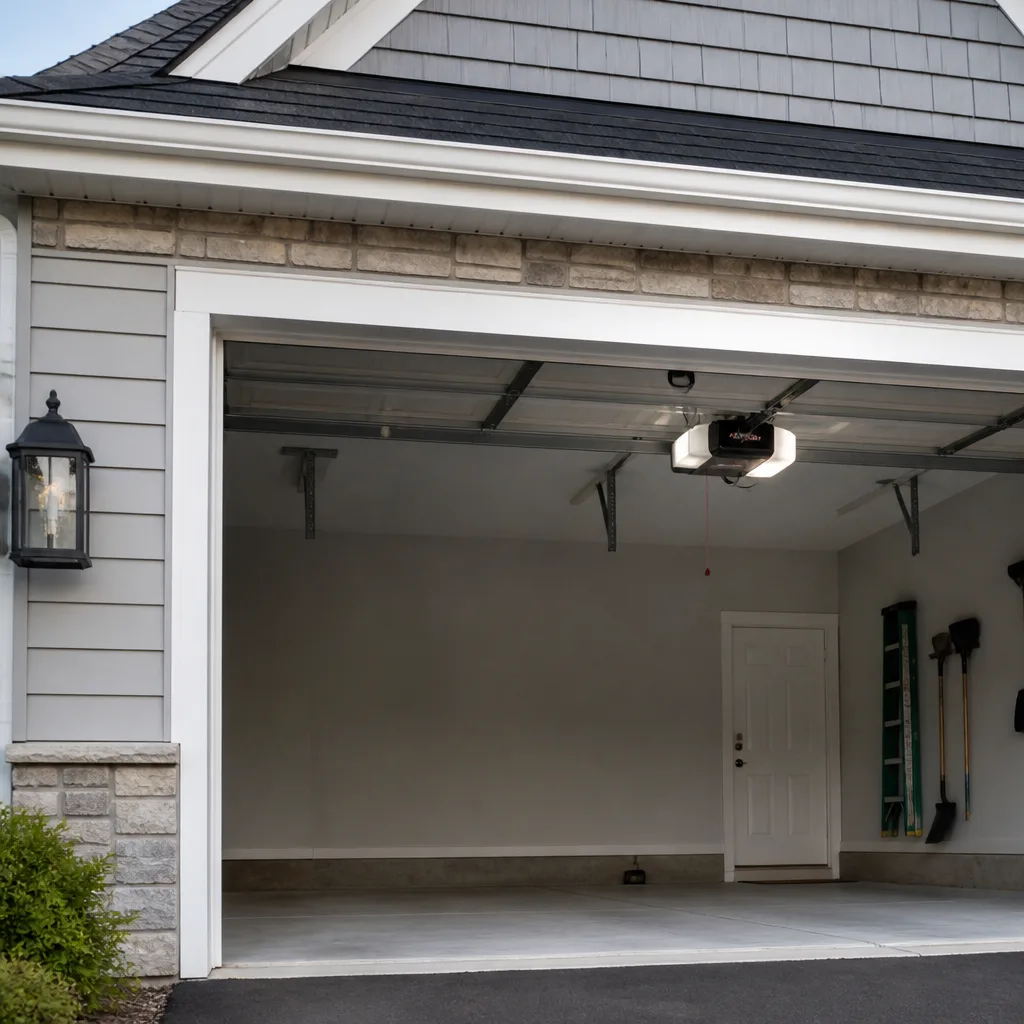 LiftMaster openers
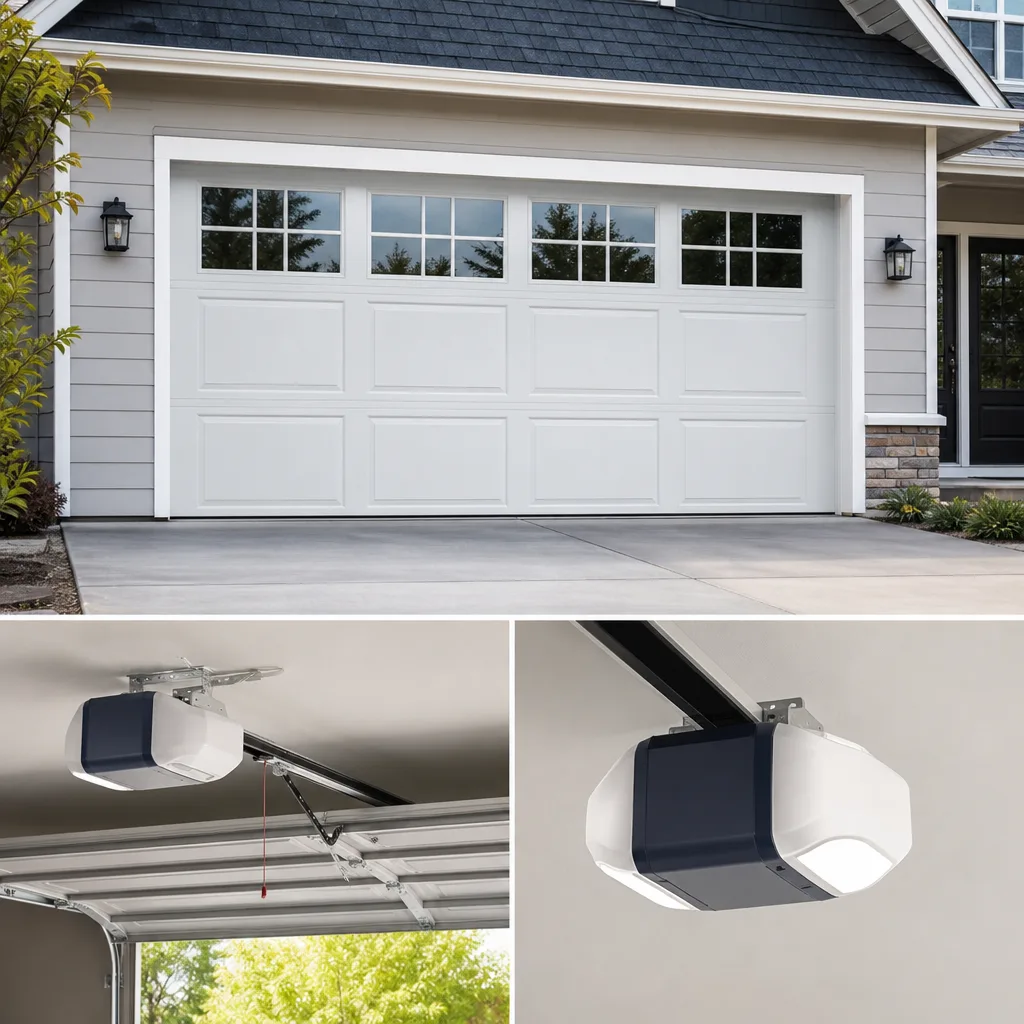 Chamberlain openers
Full 25-point door and opener safety check with every visit - springs, cables, rollers, tracks, and your LiftMaster or Chamberlain opener included
You get a price before we start. It does not change when the truck arrives.
Get your free estimateThe Complete Guide to Garage Door in Long Beach
The average garage door in Long Beach is 14 years old and has never had a single documented inspection. Yet that same door has cycled open and closed roughly 1,500 times in the past year alone, carrying anywhere from 180 to 400 pounds of steel, wood, or aluminum every single trip. By the time most homeowners learn how their door actually works, something has already failed. This guide changes that. You’ll learn how to identify your spring system, which door materials survive Long Beach’s marine layer best, how to read your opener’s force settings before they become a safety problem, and what a legitimate written price sheet looks like before you hire anyone. For Garage Door Cost Breakdown: The Long Beach Homeowner’s Reference for 2026, see our dedicated pricing guide.
Styles & brands we work with
Quick Answer
Your Long Beach garage door is a counterbalanced system: springs do the heavy lifting, cables transfer that force, and the opener only guides the door along its track. The single most important fact every homeowner should know is which spring system they own, because it determines the cost, urgency, and safety profile of every repair downstream. In Long Beach’s salt-air climate, material selection matters more than most contractors will tell you, and a written price agreed before work starts is the difference between a predictable repair and an invoice that arrives like a surprise audit. Check our Garage Door Permits, Codes & Inspections in CA: What You Need to Know before scheduling major work.
Table of Contents
- How a Garage Door System Actually Works
- Identifying Your Spring System: Torsion vs Extension
- Door Materials and Long Beach’s Marine Layer
- Tune-Up vs Safety Inspection: What You’re Actually Paying For
- Reading Your Opener’s Force-Limit Settings
- What a Written Pre-Repair Price Sheet Should Include
- Common Mistakes to Avoid
- When to Call a Professional
- Frequently Asked Questions
- The Bottom Line
How a Garage Door System Actually Works
Most people think the opener lifts the door. It doesn’t. The springs do. The opener is a guidance and control mechanism that tells the door when to move and how far, but the raw lifting force comes from heavily tensioned springs that offset the door’s weight. When those springs are balanced correctly, a 300-pound door feels like it weighs about 15 pounds. That’s why a properly adjusted door opens smoothly with one hand when you pull the emergency release. If you can’t lift your door easily by hand, the springs are either failing or were never balanced to the door’s actual weight.
Here’s the full chain of events during a normal open cycle, because understanding it makes every repair conversation easier:
- Signal: Your remote or wall button sends a signal to the opener’s logic board.
- Motor activation: The opener’s motor turns a gear that drives either a chain, belt, or screw mechanism.
- Carriage travel: A carriage attached to the drive mechanism pulls or pushes the door along twin steel tracks.
- Spring unwinding: As the door rises, the torsion springs unwind (releasing stored tension) or the extension springs contract (releasing stored stretch).
- Cable coiling: Lift cables wind around drums at the top of the shaft, keeping the door level as it rises.
- Hinge articulation: Steel hinges between each panel allow the door to bend around the curved track section.
- Limit stop: The opener hits its programmed up-limit and the motor stops.
When any single component in that chain fails, the entire system stops working. A snapped spring means the opener suddenly has to lift the full weight of the door alone, which it cannot do. A frayed cable means one side of the door rises while the other stays down, jamming the door in the track. A worn gear means the motor spins but nothing moves. This is why diagnosing “the door won’t open” requires checking the whole chain, not just replacing whatever part looks oldest.
In Long Beach, we regularly see doors that have been run for years with under-lubricated rollers and hinges because the marine air causes steel components to corrode faster than in inland climates. That corrosion increases friction, which increases the load on every other part. The result is a door that works fine until the day it doesn’t, because the wear was accumulating invisibly the whole time.
We maintain a detailed breakdown of common failure points on our Garage Door Repair in Long Beach page if you want to see how these components fail individually.
Identifying Your Spring System: Torsion vs Extension
Your spring type is the single most important piece of information about your garage door. It determines repair cost, repair time, safety risk, and whether a technician needs specialized tools. Yet most homeowners don’t know what they have until a spring snaps and the technician asks on the phone. Here’s how to identify your system in 30 seconds without touching anything.
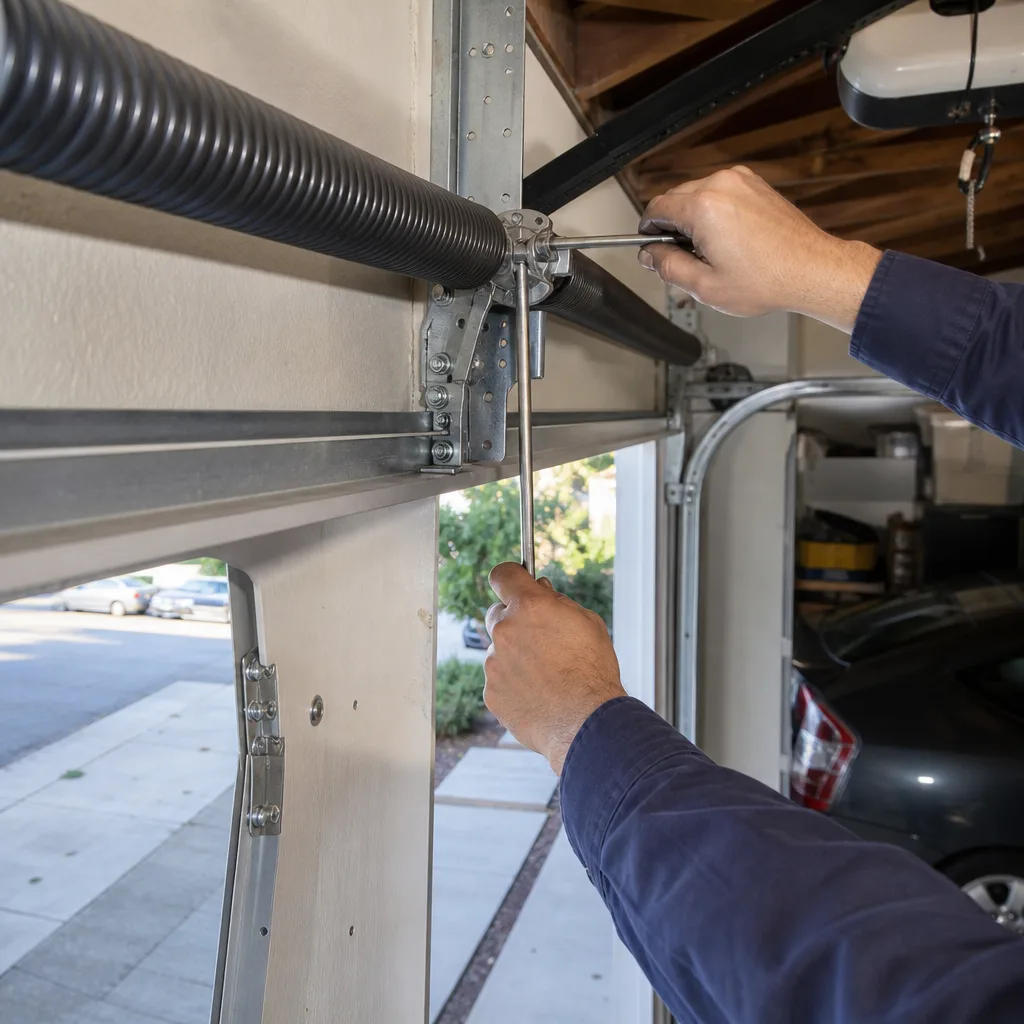
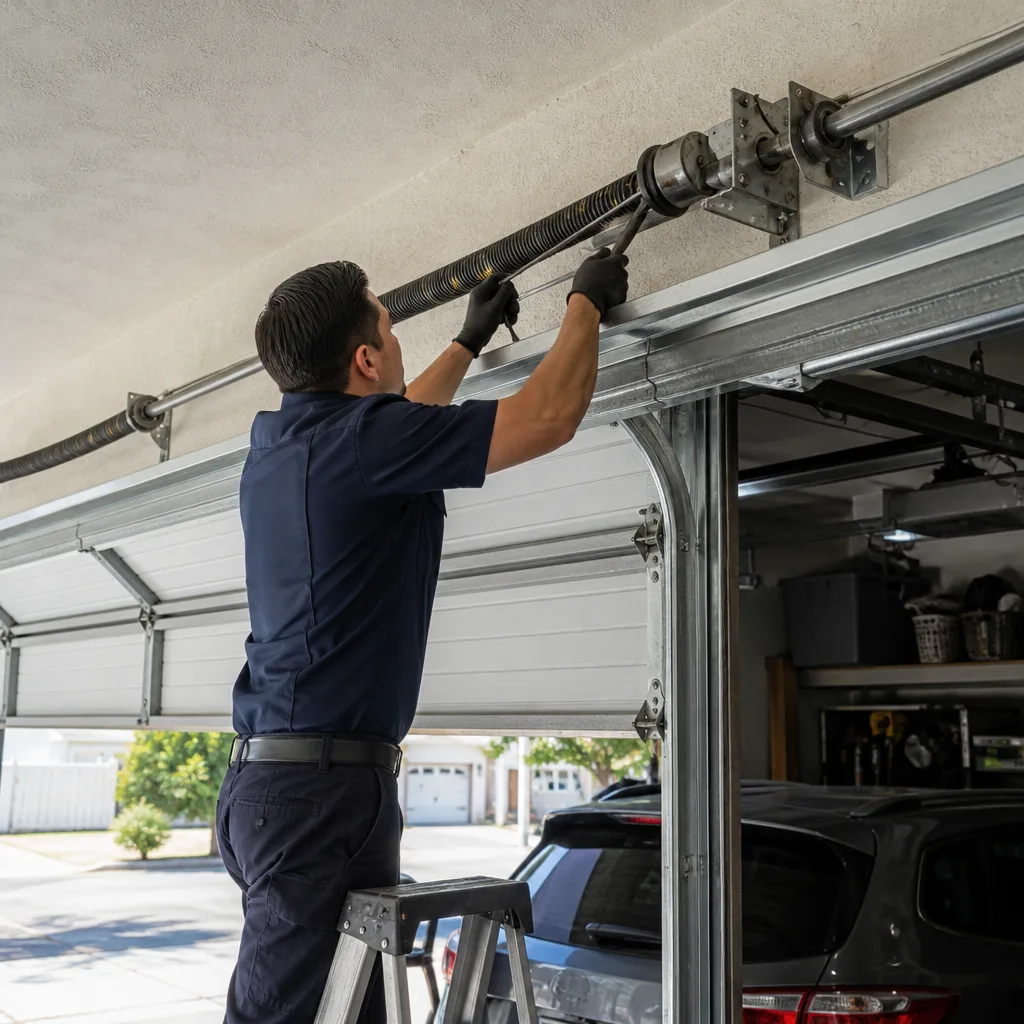
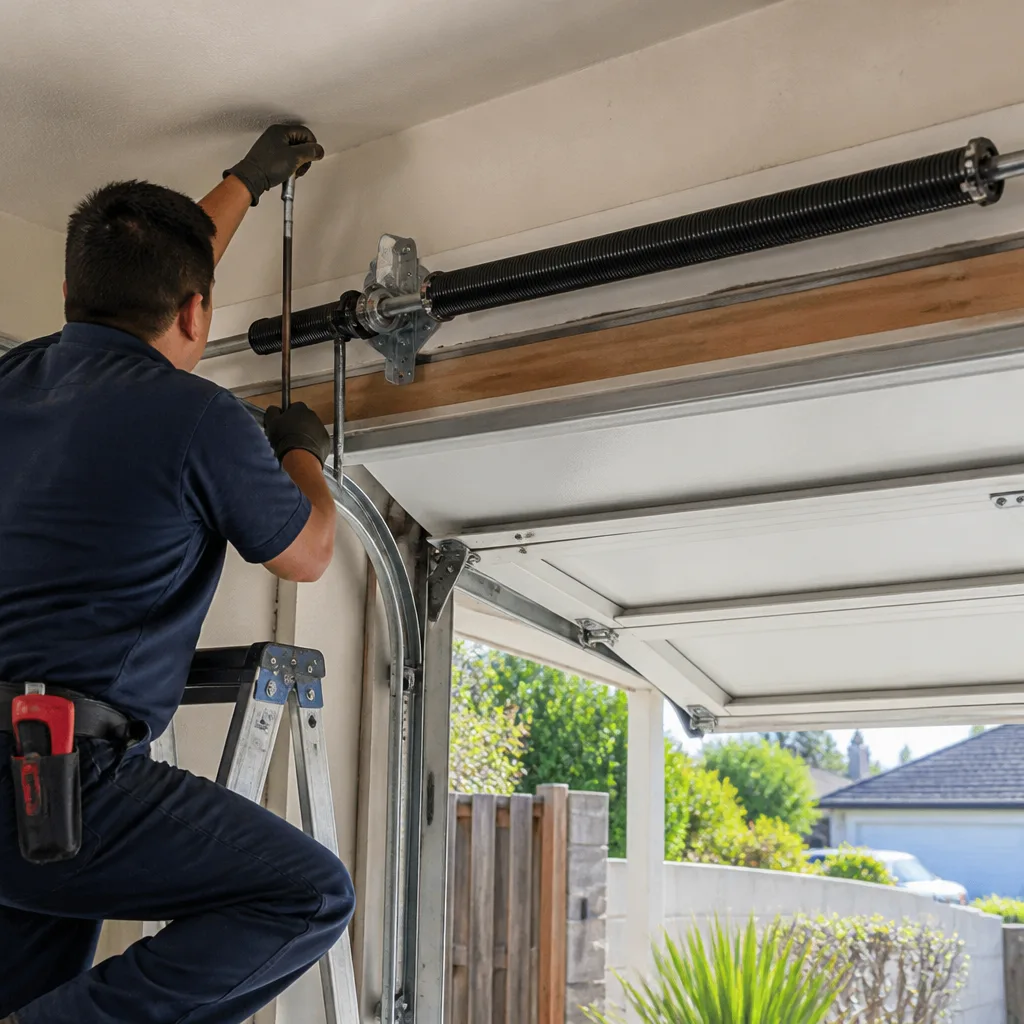
Torsion springs are mounted on a metal shaft directly above the closed door. They’re thick, coiled springs, typically 1 to 2 inches in diameter, running horizontally across the width of the opening. Most doors installed after 1990 use this system. When the door opens, the springs twist around the shaft, storing and releasing rotational energy. Torsion springs are rated for a specific number of cycles (one full open and close equals one cycle), typically 10,000 on standard springs and up to 30,000 on premium.
Extension springs run along the horizontal tracks on both sides of the door, parallel to the ceiling. They stretch and contract rather than twist. These are more common on older doors and lighter single-car openings. The visible tell is a spring mounted above each horizontal track, often with a safety cable running through the center. That safety cable is required by code specifically because extension springs can become projectiles when they fail.
Why does this matter so much? Three reasons:
- Cost structure differs: Torsion spring replacement in Long Beach typically runs $220 to $350 for a pair, including labor, depending on door weight and spring cycle rating. Extension spring replacement is materials-only in the $80 to $150 range, but the job is trickier because both springs must be replaced simultaneously to maintain balance.
- Urgency differs: When a torsion spring snaps, the door typically won’t lift at all and needs same-day attention if you park inside. When an extension spring fails, the door may still open partially with assistance but is dangerous to operate unassisted.
- Risk profile differs: Torsion springs store energy through the shaft. Replacing them requires winding bars and precise quarter-turn adjustments. Extension springs are under direct linear tension. Both can cause serious injury if mishandled. Both should be handled by a trained professional.
When you call for a spring replacement quote, have this information ready: the spring type, the door’s approximate height and width, the door material, and whether you have one spring or two above the door. Most heavier doors use two torsion springs side by side. If one snaps, replace both. They’re rated for the same cycle count and the unbroken one is fatigued. Replacing one spring on a two-spring system saves money today and costs more down the road.
Door Materials and Long Beach’s Marine Layer
Long Beach sits close enough to the coast that the marine layer rolls in most mornings from May through September, and salt particles ride the humidity year-round. That combination is hard on steel doors, especially on west-facing exposures in neighborhoods like Belmont Shore, Naples, and the Peninsula, where the ocean is close enough to taste. If your door is already 14 years old and showing rust along the bottom panel, you’re seeing the marine layer’s work. But the failure rate varies enormously by material.
Steel doors are the most common and the cheapest upfront, typically $800 to $2,500 installed for a standard 16×7 door in Long Beach. The problem is the bottom panel. Salt air condenses on the door’s underside at night, and unpainted steel edges begin rusting within a few years. The fix is maintenance: washed and waxed panels, touched-up paint on any scratch, and a protected bottom weatherseal. Without care, a steel door in Long Beach’s coastal bands can show visible corrosion in 5 to 8 years.
Aluminum doors resist corrosion better than steel, which makes them a more durable choice for coastal zip codes like 90803 and 90814. The tradeoff is dent resistance. Aluminum is softer, so a bike handlebar or a stray basketball leaves a mark more easily. Aluminum with a powder-coated finish tends to hold up well against salt air, and full-view aluminum (glass panel inserts) is popular on modern homes in Naples and the Park Estates area.
Wood doors are the highest maintenance option in Long Beach. Marine humidity gets into the wood grain, and unless the door is sealed on all six faces including the top and bottom edges, panels swell, warp, and eventually split. We’ve rebuilt doors in Virginia Country Club and Los Cerritos where homeowners inherited beautiful custom wooden doors but never got the maintenance memo. A wood door in this climate needs annual sealing, which is why most homeowners who start with wood eventually replace it with a woodgrain steel or composite door that looks similar but needs far less attention.
Composite and fiberglass doors split the difference. They won’t rust like steel, they handle salt air like aluminum, and they’re more dent-resistant than either. The cost runs higher, but for a door that will see 20 years of Long Beach humidity, the math often works out.
Our strongest advice: before paying for any new door installation, ask which material the installer recommends for your specific street, not just for Long Beach generally. A house in the Bixby Knolls flats faces different conditions than one on the water in Belmont Shore. The right material for a canyon-adjacent home in Signal Hill is not the right material for a beach-side lot.
Tune-Up vs Safety Inspection: What You’re Actually Paying For
There’s a meaningful difference between a tune-up and a safety inspection, and conflating the two is how homeowners pay $100 for a $25 job or skip a critical check because nothing “felt wrong.” Knowing what each service actually includes keeps you from overpaying and protects you from walking past a genuine hazard.
A tune-up is a maintenance service. It means lubrication, tightening, and adjustment. On most doors, a complete tune-up takes 30 to 60 minutes. In Long Beach, expect to pay $75 to $125 for a door tune-up from a legitimate service company. That price should include:
- Lubricating all hinges, rollers, and springs with a proper garage-door lubricant (not WD-40)
- Tightening loose bolts on the track brackets, hinge plates, and opener rail
- Adjusting spring tension to rebalance the door if it has drifted
- Checking and smoothing track alignment at the curved sections
- Testing opener force settings and adjusting if needed
- Confirming the emergency release works correctly
A safety inspection goes deeper. It’s not about making the door run smoother. It’s about identifying problems that could cause injury or property damage. A proper safety inspection includes everything in a tune-up plus:
- Spring cycle-life assessment (checking for visible wear marks, cracks, or uneven coil spacing)
- Cable condition check (fraying, kinking, or wear at the drum connection)
- Bottom safety sensor alignment and obstruction-response testing
- Auto-reverse force testing using an actual physical barrier test
- Review of all fasteners on the spring mounting brackets and opener mounts
- Roller wear assessment (worn rollers are a leading cause of off-track doors)
The two services get confused because they overlap. A good tune-up includes some safety checks. A safety inspection includes some tuning. But if a company quotes you $49 for a “full safety inspection and tune-up,” you’re probably getting a 15-minute lube job starting with a door that was already fine. The inspection part wasn’t done, because a real spring cycle-life assessment takes time and a knowledgeable eye.
At Brock Garage Doors Long Beach, our tune-ups and inspections are priced separately, and we tell you which one your door actually needs before booking. A door under 10 years old with no unusual symptoms generally needs a tune-up. A door over 10 years old, or any door with visible spring wear, cable fraying, or recent balance issues, gets recommended for an inspection. You should know which service you paid for and what was checked. Visit our Brock Garage Doors Long Beach home page to see how we structure service calls.
Reading Your Opener’s Force-Limit Settings
Every garage door opener made by LiftMaster, Chamberlain, and Genie includes two adjustable force settings: the up-force and the down-force. These set the maximum resistance the opener will push against before reversing or stopping. When they’re set correctly, the door opens and closes smoothly even if the springs are slightly out of balance. When they’re set too high, the opener becomes a machine that can crush something in its path without reversing. That’s not a rhetorical warning. Opener force limits exist because openers sold before 1993 injured thousands of people, mostly children, before the federal reverse-sensitivity standard took effect.
Here’s the problem: force-limit settings drift. They get adjusted up by homeowners who are frustrated with a door that reverses halfway down for no apparent reason. They get cranked by technicians who would rather force the door closed than fix the underlying balance problem. Over time, the opener’s force setting becomes a mask. The real issue, almost always, is a spring that has lost tension or a door that has gained weight from added struts, insulation, or a paint job, but the opener just pushes harder to compensate.
How to check where your opener stands without touching the adjustment dials:
- Disconnect the opener using the red emergency release rope. Pull the door manually through its full travel. A balanced door, when opened halfway by hand, should stay in place without dropping or shooting upward.
- Test the door’s weight. Can you lift it with one hand? If it’s much heavier than about 15 pounds of effort, the springs are not doing their job.
- Reconnect and run a close cycle. Stand at the wall button and place a 2×4 flat on the ground under the door’s path. When the door contacts the board, it should reverse within two seconds. If it stalls or keeps pressing, the down-force is set too high.
- Check the up-force. Run the door open while watching the opener’s carriage. If it jerks at the start or the motor whines, the up-force may be dialed too high to compensate for heavy springs.
In Long Beach’s humid air, we find a lot of openers with force settings cranked to maximum because the door has absorbed moisture and friction, and a frustrated homeowner or a lazy tech just turned the dial. That’s dangerous. If your door is set to maximum force and still struggling, the problem is not the opener. It’s the door balance, and the fix is spring service, not more force. Our Garage Door Opener Repair in Long Beach page covers specific brands and what each one’s adjuster looks like, including LiftMaster and Chamberlain models.
What a Written Pre-Repair Price Sheet Should Include
A verbal quote that changes at the door is the single most common garage-door complaint we hear from Long Beach homeowners. The fix is simple: require a written price before work starts. Any legitimate operator will provide one without resistance. The price sheet is not a formality. It’s the document that tells you what you’re buying and holds the technician to the deal. Here’s what a proper written pre-repair price sheet should include.
Line items, not a round number. The sheet should break out parts, labor, and trip or diagnostic fees separately. A $310 total with no breakdown doesn’t tell you anything. That same $310 shown as “$175 for a 10,000-cycle torsion spring pair, $95 labor, $40 trip fee waived with repair” tells you exactly where the money goes.
Exact part details. The sheet should name the spring type (torsion or extension), the spring cycle rating (10,000, 20,000, or 30,000), the drum and cable sizes where relevant, and the brand where it matters. On opener repairs, it should name the specific part: “LiftMaster logic board, model number 41A5021” rather than “opener fix.”
Scope of work. The sheet should state what will be done, not just what will be bought. “Replace both torsion springs and rebalance door” is a scope. “Springs fixed” is not. If the sheet doesn’t say the work includes reconnecting and testing the opener after installation, that’s a gap.
Exclusions. A good sheet tells you what’s not included. If the rollers are shot and the quote covers springs only, the sheet should say so. Surprises appear when the sheet is vague. You should never finish reading a quote and still wonder whether something is included.
Guarantee terms. The sheet should name the warranty on the parts and the workmanship separately. A spring with a 3-year manufacturer warranty installed by a company that guarantees its labor for 365 days is two different promises. If only one number appears, ask which it covers.
Approval signature line. The most important element. The price is not more real because you signed it. It’s more real because the sheet proves what was agreed, which means we can both hold ourselves to it.
This is how Brock Garage Doors Long Beach runs every job. The written price comes before the toolbox opens, and that price includes the 365-Day Done Right Promise in writing: if your repair fails within a year, we return and correct it at no charge. No re-quote, no service fee, no negotiation. That’s the standard our technicians work to. Garage Door Cable Repair in Long Beach gives real pricing examples for cable-specific work.
Common Mistakes to Avoid
- Replacing only one spring on a two-spring door. They’re rated for the same cycle life, so the unbroken spring is already fatigued. You’ll be back in six months paying another trip fee.
- Using WD-40 on your rollers and hinges. It’s a degreaser, not a lubricant, and it strips the grease that’s actually protecting your moving parts. Use a garage-door specific silicone or white lithium spray.
- Painting your door without addressing frame rust first. Paint seals moisture in as easily as it keeps it out. Treat visible rust before painting, or the panel rusts from the inside out in Long Beach’s humidity.
- Dialing up the opener’s force setting to solve a balance problem. It’s a temporary patch that turns a maintenance issue into a safety hazard. The correct fix is spring service.
- Assuming a noisy door just needs grease. Noise usually means worn rollers or hinge play. Lubricating worn components quiets them briefly and then they fail anyway.
- Accepting a verbal quote as binding. If it’s not written, it doesn’t exist when the invoice prints. This applies to every trade, but garage-door work has enough moving parts that verbal ambiguity costs real money.
- Putting off cable replacement. A frayed cable looks harmless until it snaps mid-cycle and drops one side of the door onto whatever is underneath it. Cables on a 300-pound door are not a cosmetic issue.
When to Call a Professional
Some garage-door work is manageable for a careful homeowner. Tightening a loose hinge bolt, lubricating rollers, and testing the reverse function are all reasonable DIY tasks. But springs, cables, and opener force adjustments are not. See DIY vs Professional Garage Door: The Long Beach Homeowner’s Decision Guide for the full breakdown. Torsion springs are under hundreds of pounds of stored rotational force. Extension springs can become ballistic projectiles when they fail. Lift cables run under tension against a spinning drum. If you’re not trained on these systems, a failed repair is not the worst outcome. A trip to the emergency room is.
When the spring snaps, the door is stuck half open, or you suspect a cable is about to go, call a pro. Brock Garage Doors Long Beach offers free estimates in Long Beach, and a technician can usually be at your door the same day. Call (562) 337-3993. The estimate is written, it’s free, and it’s yours whether you book the repair with us or not.
Frequently Asked Questions
Spring replacement in Long Beach typically runs $220 to $350 for a torsion pair, including labor and parts, with extension springs ranging from $80 to $150 per pair plus installation. The final number depends on door weight, spring cycle rating, and whether the cables and drums also need service. Call (562) 337-3993 and we’ll give you a written price before any work starts.
Most torsion springs are rated for 10,000 cycles, which translates to roughly 7 to 10 years of normal use in a typical Long Beach household. Higher-rated 20,000 and 30,000-cycle springs cost more upfront but can last 15 to 20 years. The cycle rating is the number of open-and-close operations the spring is built to handle, not a calendar date.
Not if you’ve got a written pre-repair quote. Any company that gives you a price over the phone and then revises it at the door is not running a legitimate operation, or the initial quote was deliberately low. Your price should be confirmed in writing before work begins, and any changes should come with a new written approval.
Yes. Cable replacement is a same-day job in most cases, and most companies keep common cable sizes and drums on the truck. The exception is cables on older or unusual doors, which may need to be ordered. Call (562) 337-3993 and we’ll tell you before dispatching whether your cable is likely a stock item.
LiftMaster and Chamberlain dominate the Long Beach market, and both build reliable belt-drive openers that hold up well to the coastal humidity. Genie models are also strong on affordability. Belt drives are quieter than chains and wear less over time, which matters on attached garages below bedrooms. Your opener choice should match the door’s weight and balance more than any brand preference.
Most doors can be repaired if the panel structure, track system, and frame are intact. Broken springs, stretched cables, worn rollers, and opener failures are all component issues. Full replacement makes sense when you’ve got rust-through on multiple panels, significant warping, or a door so old the panels are delaminating. A competent inspection in Long Beach will tell you which situation you’re in without pushing you toward a sale.
The Bottom Line
A garage door is not a mystery box. It’s a mechanical system with identifiable components, predictable wear patterns, and specific maintenance needs. The faster you learn what you’re actually looking at, the better decisions you’ll make when something fails. Identify your spring type. Match your door material to your Long Beach exposure. Never pay for a “full inspection” that only got you a lubrication. Check your opener’s force settings before they check you. And require a written price before work starts, on every job, with every contractor. When in doubt, call (562) 337-3993 and ask. The estimate is free, the advice is straight, and the price is in writing.
Written by Wade Mercer, Owner at Brock Garage Doors Long Beach, serving Long Beach since 2001. Explore more guides & resources from our team.
See the difference
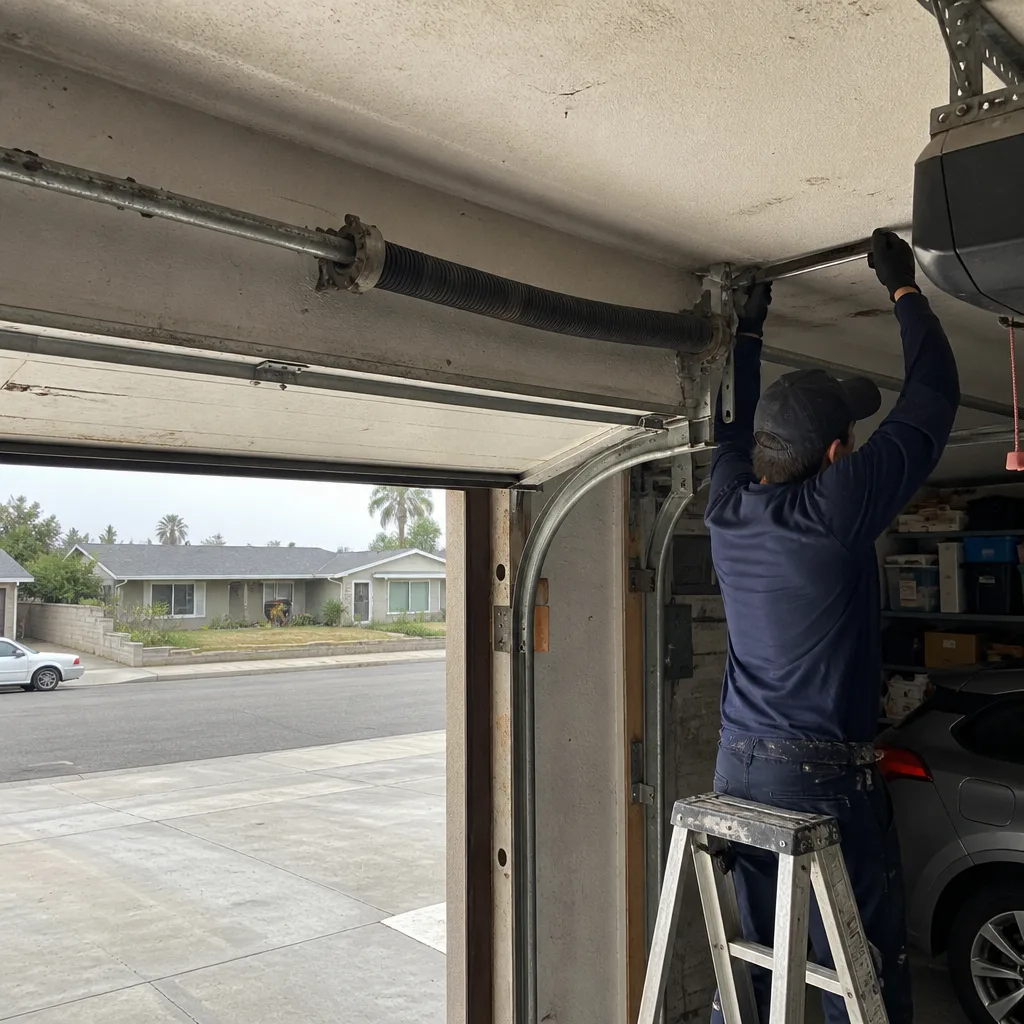 Before
 After
After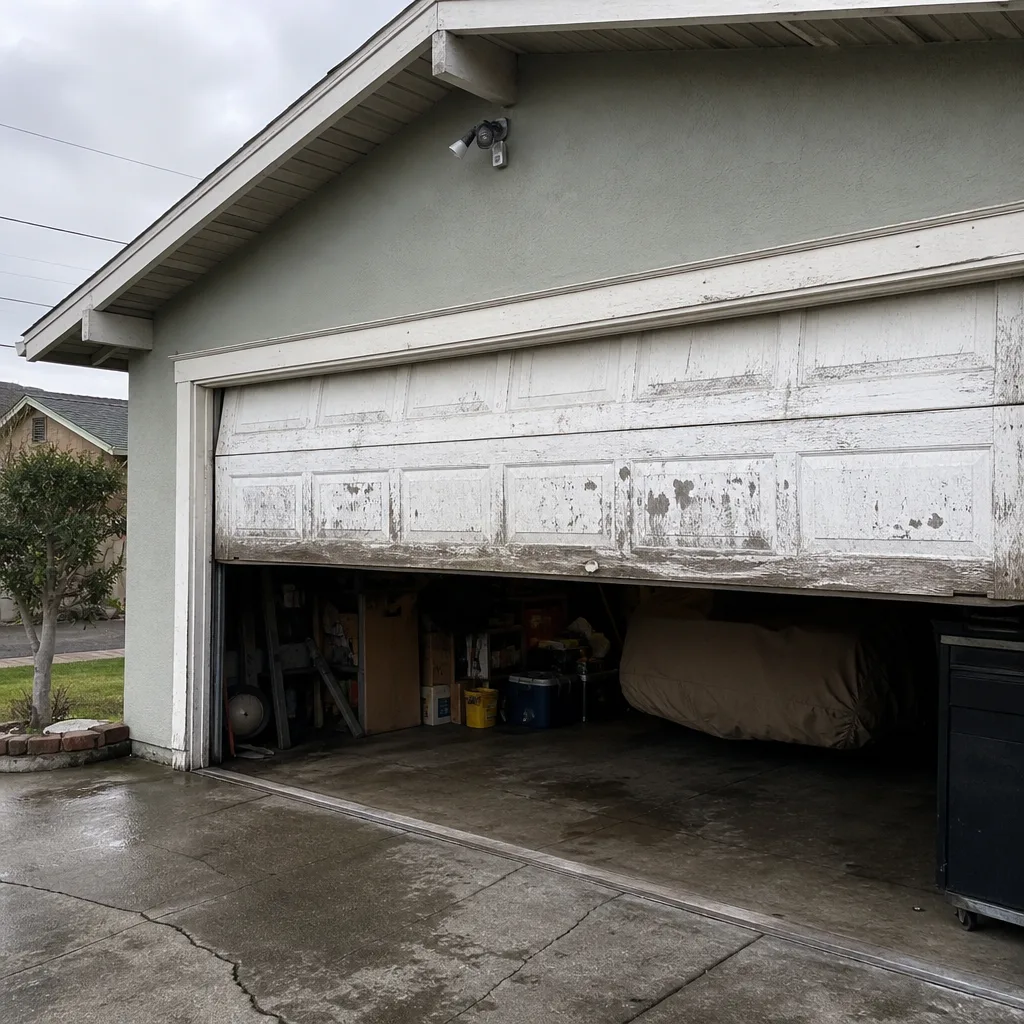 Before
 After
After Before
 After
After