
Last updated October 16, 2026
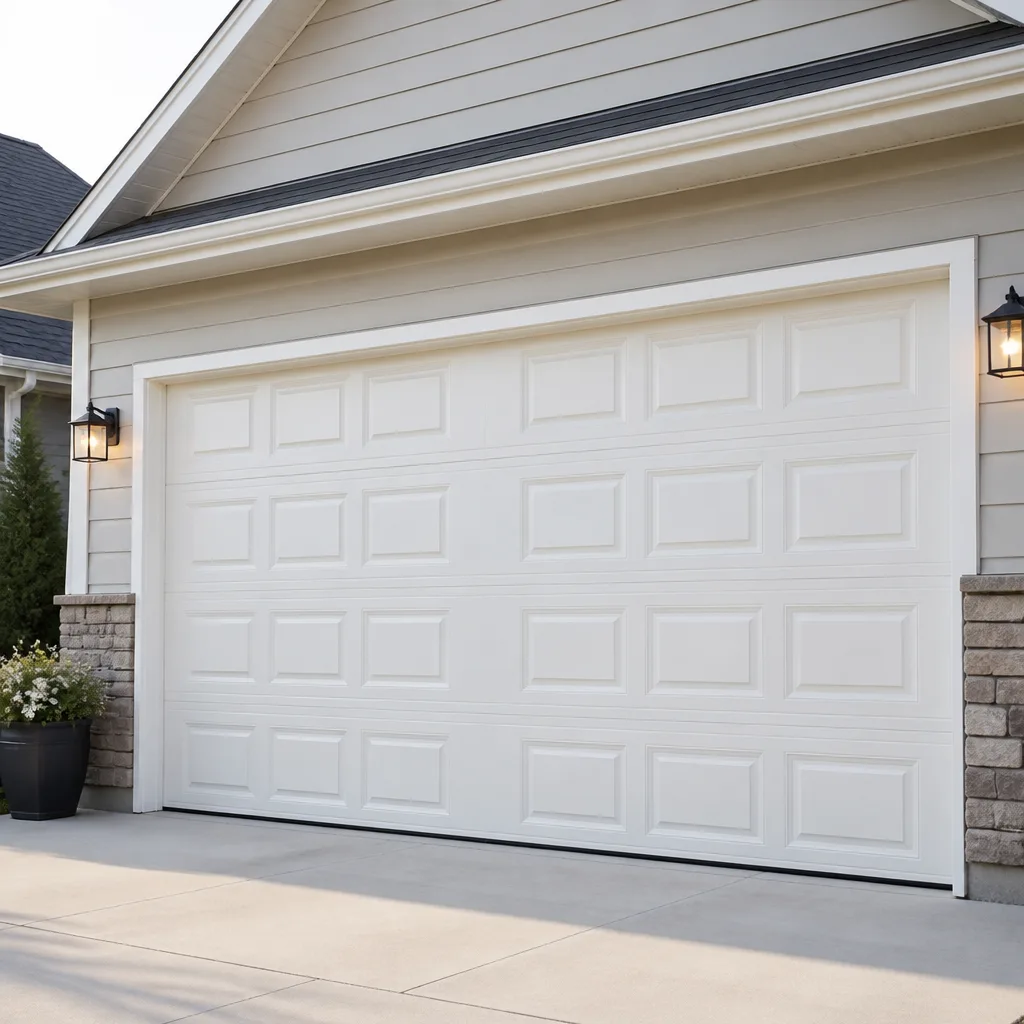 Raised-panel steel
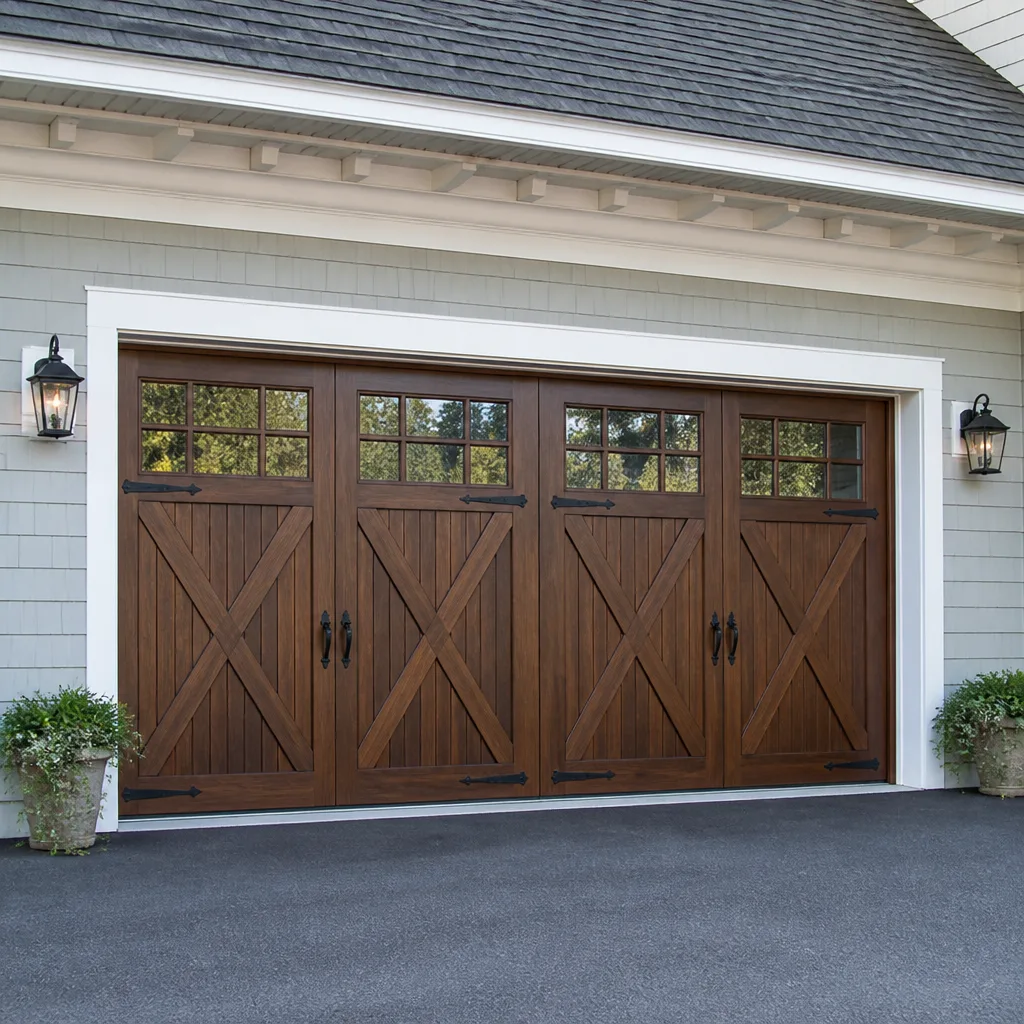 Carriage house
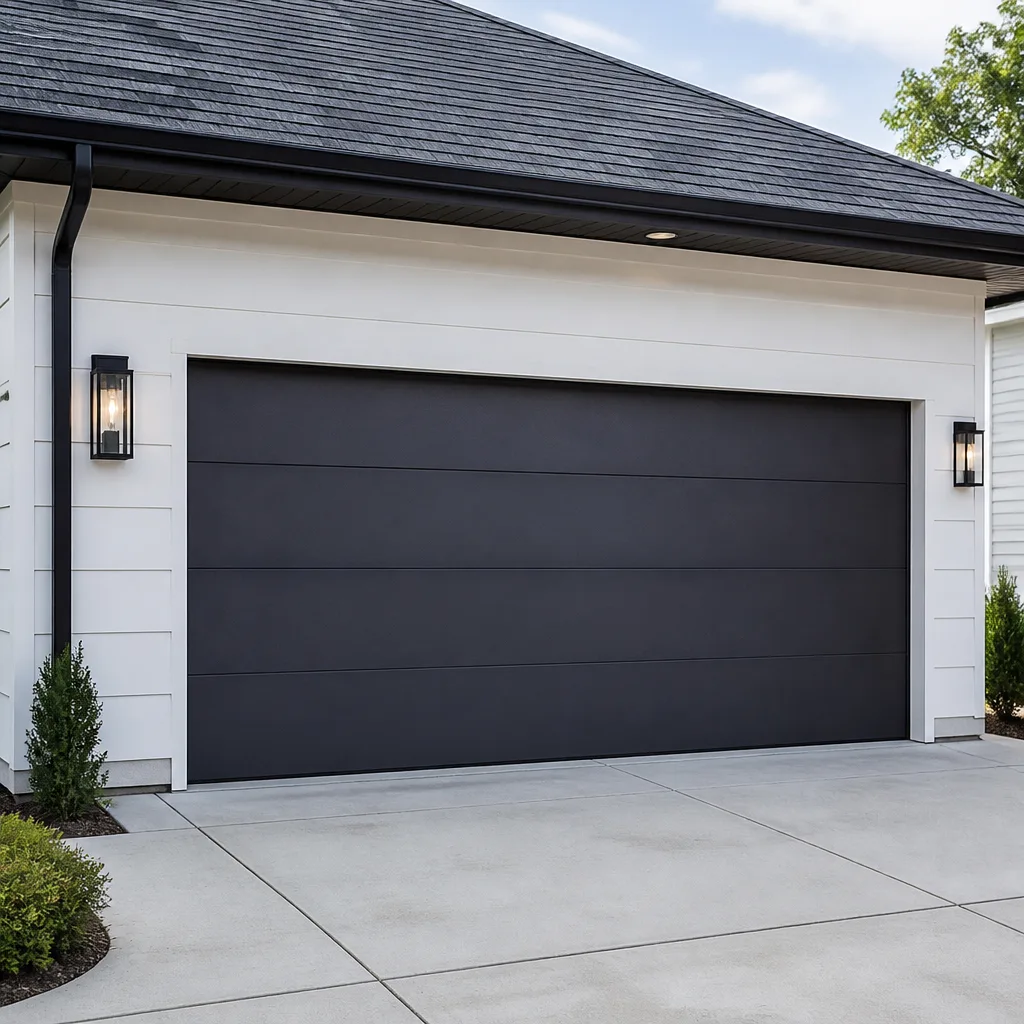 Modern flush
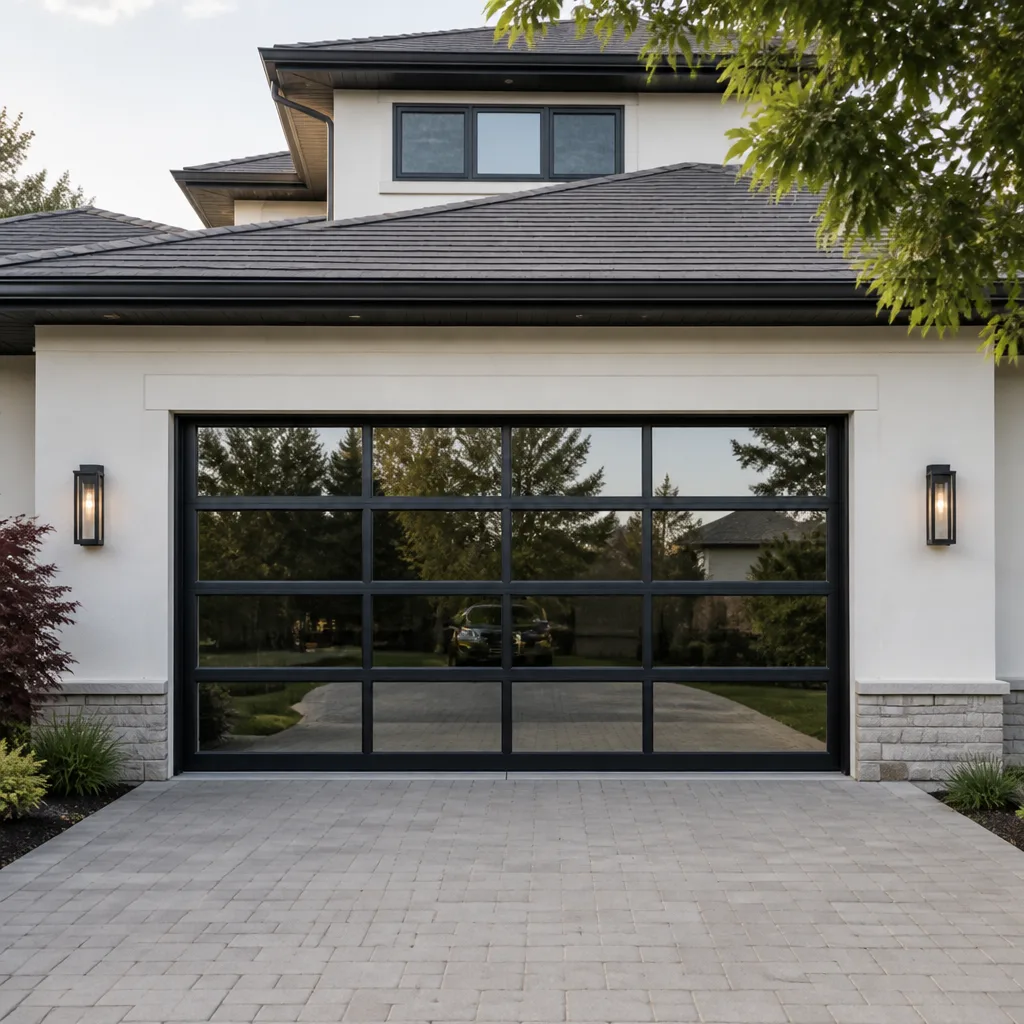 Full-view glass
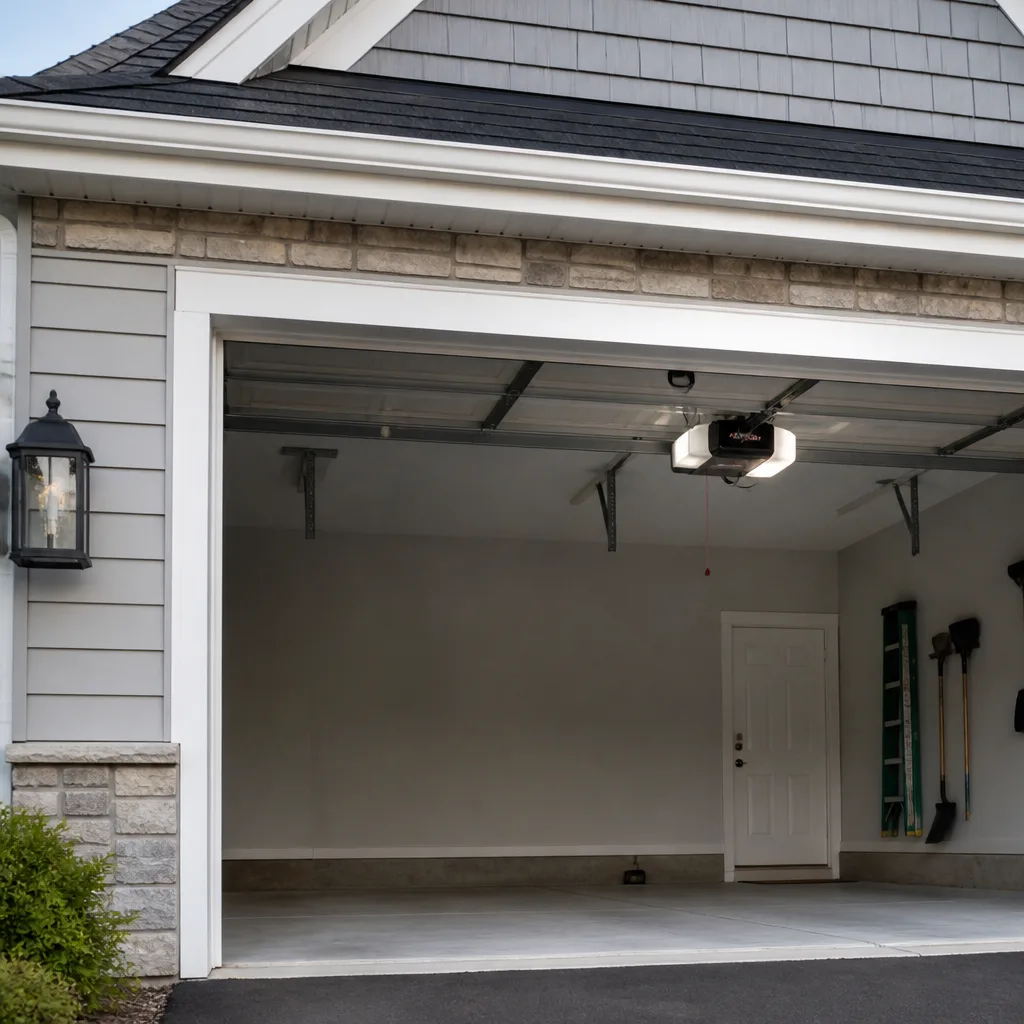 LiftMaster openers
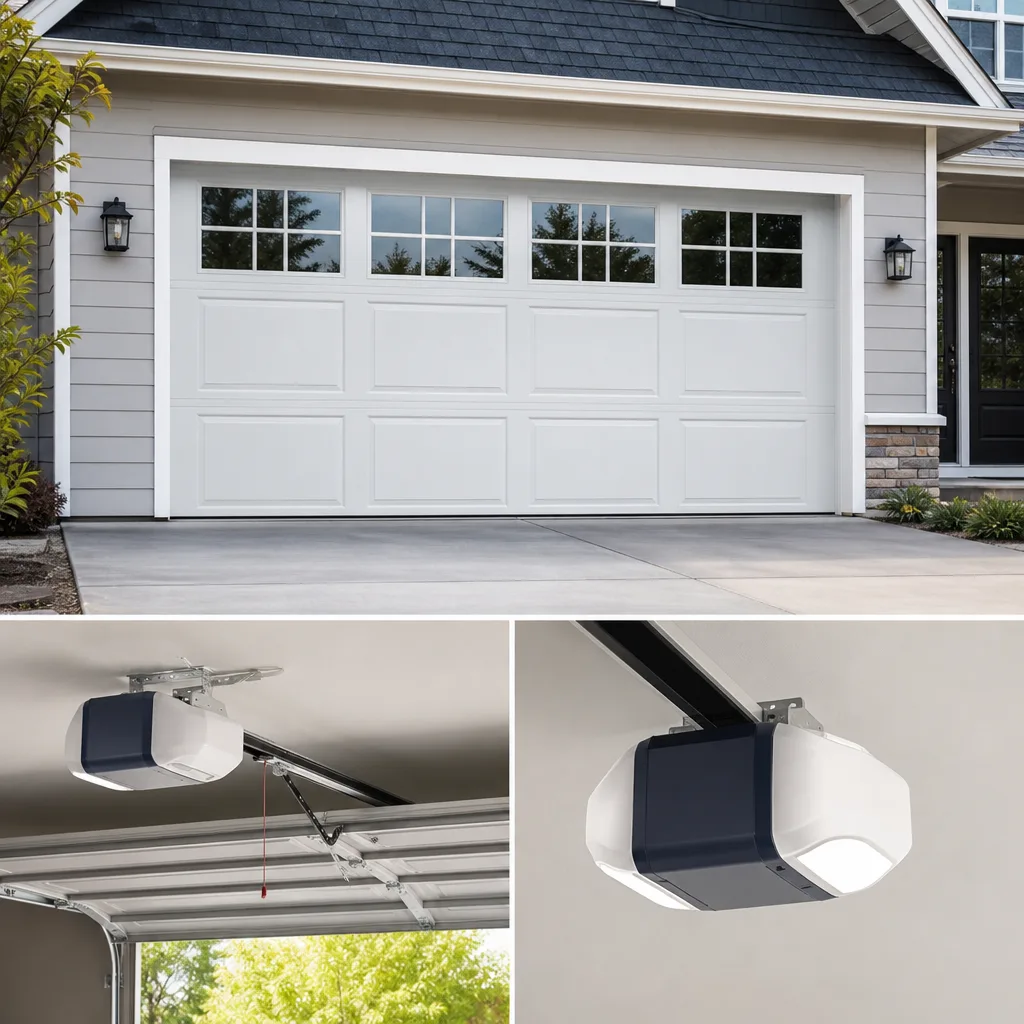 Chamberlain openers
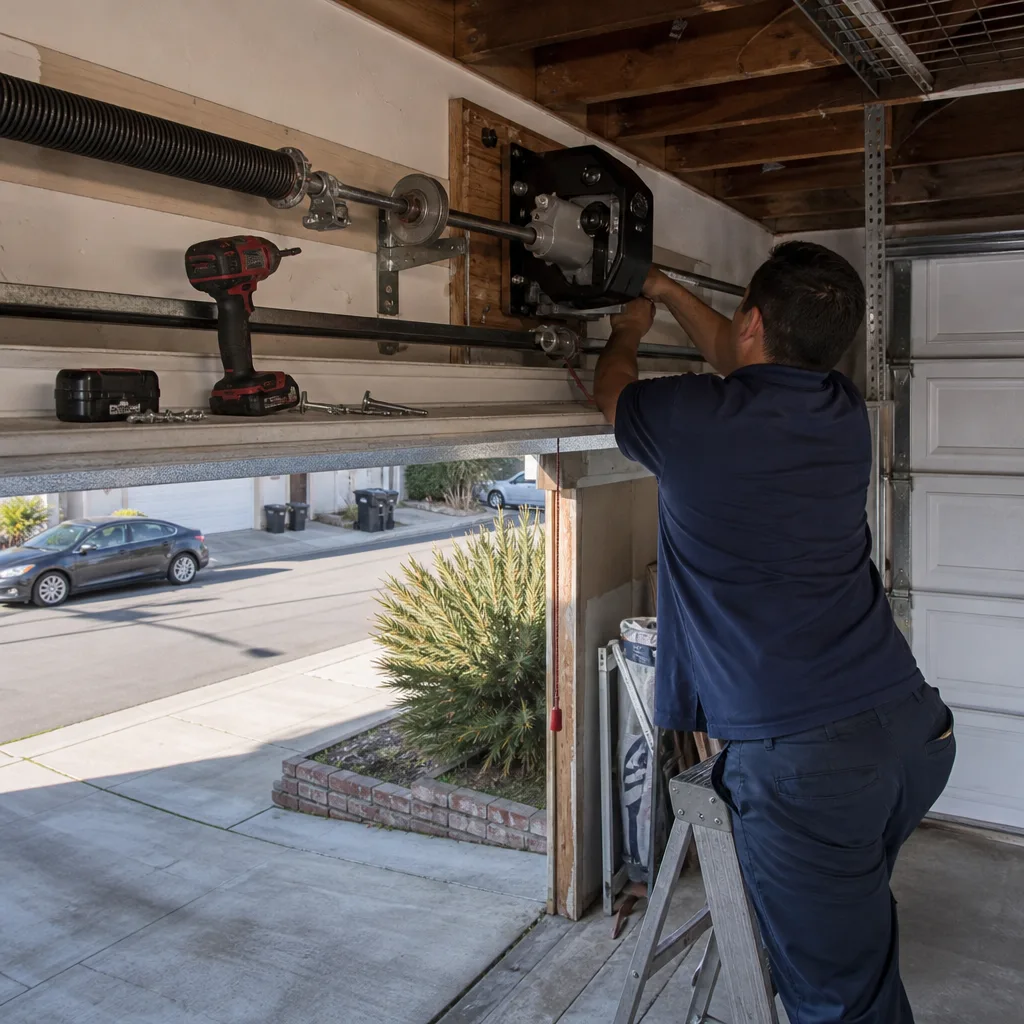
Full 25-point door and opener safety check with every visit - springs, cables, rollers, tracks, and your LiftMaster or Chamberlain opener included
You get a price before we start. It does not change when the truck arrives.
Get your free estimateSeasonal Garage Door Care for Long Beach: Year-Round Homeowner’s Guide
Long Beach gets roughly 12 inches of rain a year, but here’s what surprises most homeowners: nearly half of it falls in February and March during El Niño years, not in a tidy winter window. That means the garage door, the largest moving object in your home, takes its hardest weather hits at the exact time most people have forgotten about it. This guide maps maintenance to Long Beach’s actual climate patterns: marine-layer spring, dry Santa Ana fall, and wet late-winter storms. You’ll learn what to check month by month, what each stress season does to specific components, and what preventive care costs versus what deferred maintenance ends up costing.
Quick Answer
Seasonal garage door care in Long Beach means three inspection points each year, not four: a rust check before May and June marine-layer fog settles in, a weatherstripping and alignment check before October’s dry Santa Ana winds, and a full lubrication, seal, and track alignment pass in January before the wettest months arrive. A homeowner can handle lubrication, cleaning, and visual checks in about 30 minutes per season, while spring tension, cable condition, and opener force adjustments should be handled by a trained technician (DIY vs Professional Garage Door: The Long Beach Homeowner’s Decision Guide). Total preventive care usually runs $120 to $180 per year when you catch issues early, versus $250 to $500 for the average repair that deferred maintenance triggers.
Styles & brands we work with
Table of Contents
- Long Beach’s Three Stress Seasons, Explained
- A Month-by-Month Task Map for Long Beach
- Marine-Layer Season: Why May and June Rust Springs
- Santa Ana Season: How Dry Wind Destroys Weatherstripping
- El Niño Season: When Wet Winters Shift Concrete and Door Alignment
- The Real Annual Cost of Preventive Care vs. Deferred Repair
- Common Mistakes to Avoid
- When to Call a Professional
- Frequently Asked Questions
Long Beach’s Three Stress Seasons, Explained
Most garage door maintenance guides are written for places with snow, ice, and a hard freeze-thaw cycle. Long Beach operates on a different clock. Our climate has three stress periods, and each one attacks a different part of the door system.
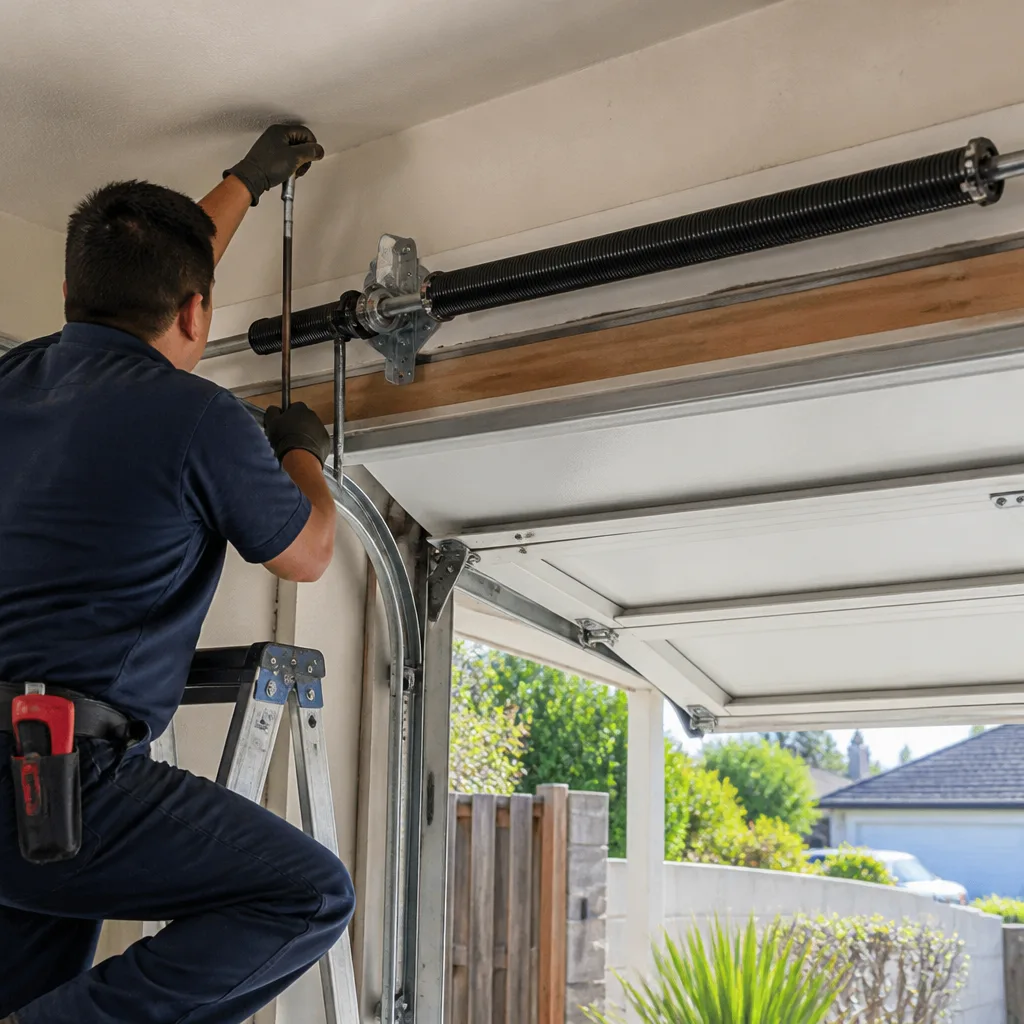
The marine layer season runs from late April through July. Morning fog and coastal moisture hang over neighborhoods like Belmont Shore, Naples, and Los Altos, and that damp air settles on metal surfaces. It’s not dramatic, but it’s relentless. A torsion spring, the thick coiled spring mounted above the door that bears most of the lifting load, carries constant tension plus a thin film of moisture for three straight months. That combination accelerates surface corrosion faster than a single rainstorm ever would.
Santa Ana season runs September through November. Air humidity drops into the teens, and sustained dry wind pulls moisture out of everything: rubber weatherstripping, vinyl trim, and even the wooden frames around garage doors in older Long Beach neighborhoods like California Heights and Bluff Park. Seals shrink, crack, and pull away from the door edges. Gaps appear.
El Niño season runs January through March, with the heaviest rain often landing in February. Saturated soil expands and contracts, which is why we regularly see concrete slabs heave slightly and shift door alignment during this window. The door still opens, but the opener motor starts working harder to compensate for the misalignment. That extra load is what eventually burns out a motor or strips a gear.
Each season requires a specific response. A generic four-season checklist misses all of this, and that’s exactly what we see when a Long Beach homeowner follows advice written for Minnesota and wonders why their door still failed.
A Month-by-Month Task Map for Long Beach
Here’s a month-by-month maintenance map calibrated to Long Beach’s actual climate patterns. If you only complete two of these months, make them January and May. Those are the two highest-value inspection points on the calendar.
January: Deep Lubrication and Seal Check
- Lubricate all moving parts with a garage-door-specific lubricant: hinges, rollers, springs, and the opener chain or screw. Use a spray lubricant, not WD-40, which displaces moisture but doesn’t leave lasting protection.
- Check the bottom seal along the garage floor. Run your hand along it and look for gaps, cracks, or spots where the seal has pulled away from the door.
- Look at the door from inside while it’s closed. Light coming through anywhere along the edges means a gap that will leak water during February downpours.
- Test the auto-reverse safety feature by placing a roll of paper towels under the door and closing it. The door should reverse within two seconds of contact.
February: Track Alignment and Visual Inspection
- Examine both vertical tracks. They should be parallel and free of rust, dents, or loose bolts. Pay attention to the bottom brackets, which take the most stress.
- Check the lift cables on both sides. Look for fraying, rust, or kinks. Cables under tension can snap without warning, so if you see any damage, schedule a professional Garage Door Cable Repair in Long Beach before it fails.
- Open and close the door by hand using the emergency release cord. It should move smoothly with even resistance. Jerky movement or binding means something is out of alignment.
March: Post-Storm Inspection
- After the last major rain, check for water intrusion along the bottom of the door and the side jambs.
- Look at the concrete slab in front of the garage. New cracks or a visible shift in the floor level can indicate heaving that affects door alignment.
- If the door now closes with a gap on one side or makes a grinding sound, the tracks have likely shifted with the slab. Do not adjust them yourself. This needs a technician.
April: Spring Cleaning
- Wipe down the door panels with mild soap and water. For wood doors in neighborhoods like Bixby Knolls, this is also the time to check for peeling paint or early rot.
- Clean the photoelectric sensors at the base of the door with a dry cloth. Dirty sensors are the most common cause of a door that refuses to close.
- Check weatherstripping on the sides and top of the door opening. This is the maintenance item most homeowners skip, and it’s the one that fails first when marine-layer moisture arrives.
May: Pre-Fog Rust Prevention
- Apply a thin coat of lubricant to the torsion springs. This is the single most important rust-prevention task for the marine-layer months ahead.
- Inspect the door panels for early rust spots, especially on steel doors. Surface rust is treatable; deep rust requires panel replacement.
- Check that the door is balanced. Pull the emergency release and lift the door manually to waist height. It should stay in place. If it drops or rises, the springs need adjustment, which is a job for a trained technician.
June through August: Light Maintenance Window
- Continue monthly visual checks, but this is the lowest-stress period for Long Beach garage doors.
- If you notice squeaking or grinding, address it now. Small problems don’t stay small through Santa Ana season.
September: Pre-Santa Ana Gap Check
- Test every weather seal by closing the door and looking for light coming through. Any visible gap will widen as the dry wind pulls moisture from the rubber.
- Check the seal along the top of the door, which receives direct sunlight and fails faster than side seals.
- If the seals are brittle, cracked, or pulling away, replace them now. Seal replacement is simple and inexpensive when caught before winter rain arrives.
October: Opener Force and Safety Test
- Test the auto-reverse feature again with a roll of paper towels. This should be a monthly habit, but it’s especially important before the heavy-use holiday season.
- Listen to the opener motor. A motor that strains or sounds labored may be working against a misaligned track from the previous winter’s slab shift.
- Check the opener’s force settings. If the door reverses easily when you push on it while closing, the force is set correctly. If it fights you, the setting is too high and needs adjustment.
November: Deep Clean and Full Inspection
- Clean all tracks, rollers, and the opener rail with a dry cloth to remove built-up dust from the Santa Ana months.
- Inspect every roller. Worn or wobbly rollers stress the entire system and should be replaced before the wet months arrive.
- If anything looks questionable, schedule a professional Garage Door Repair in Long Beach now. Winter is the busiest service season, and issues caught in November cost less than emergencies in February.
December: Battery and Backup Check
- Test the opener’s battery backup if your unit has one. Power outages are common during winter storms, and a backup that hasn’t been tested in three years won’t work when you need it.
- Check the emergency release cord operation. Make sure you can open the door manually if the power goes out.
- Review your maintenance notes from the year. Anything you’ve been meaning to address should be handled before January’s deep inspection, not after.
Marine-Layer Season: Why May and June Rust Springs
The most damaging months for Long Beach garage doors aren’t the rainiest ones. They’re the foggiest ones. Here’s what we’ve seen after 20-plus years of servicing doors in neighborhoods from Alamitos Beach to Lakewood: the majority of premature spring failures we respond to in July and August trace back to corrosion that started during the May and June marine-layer window.
Here’s what’s happening on a mechanical level. Torsion springs are made of high-carbon steel and operate under enormous tension, typically 30,000 to 40,000 pounds per square inch when the door is down. The spring’s oil coating protects it from moisture. But after a few years of use, that coating wears thin in spots. When the marine layer settles in, morning humidity regularly hits 85 to 95 percent, and that moisture works into microscopic surface imperfections in the steel. Surface rust forms. The rust creates a fracture point. The spring eventually snaps under load, usually when the door is mid-cycle, and the sound is roughly equivalent to a gunshot in a closed garage.
This is why we emphasize May lubrication as a hard preventive measure, not a nice-to-have. A thin coat of garage-door lubricant applied to the springs before the June fog arrives replaces the worn oil coating and blocks moisture from reaching bare steel. It’s a 10-minute job that costs under $15 in materials. The alternative is a snapped spring, which requires a professional repair that typically runs $180 to $340 for a standard single-door torsion spring replacement in Long Beach.
Beyond the springs, the marine layer also accelerates corrosion on hinges, brackets, and the opener rail. These components are lower-stakes, since they don’t carry the same dangerous tension as the springs, but rust buildup on the opener rail will create a grinding sound and premature wear on the drive gear. Cleaning and lubricating the rail in May prevents this.
One more thing we notice in Long Beach specifically: homes within a half-mile of the coast get noticeably more marine-layer exposure than homes further inland in neighborhoods like El Dorado Park or Plaza. If your home sits close to the water, you should lubricate your springs three times a year rather than twice: May, August, and November. The extra application is cheap insurance against salt-tinged fog.
Santa Ana Season: How Dry Wind Destroys Weatherstripping
Santa Ana winds are usually framed as a wildfire threat, and in the foothills, that’s true. For a Long Beach garage door, the bigger issue is what sustained single-digit humidity does to rubber and vinyl components. Here’s the problem in plain terms: weatherstripping is made of flexible materials that rely on a certain moisture content to stay pliable. When the Santa Anas blow, the air is so dry that it pulls moisture directly out of those materials. The rubber shrinks, hardens, and eventually cracks.
There are three main weatherstripping points on any garage door: the bottom seal on the door itself, the side and top seals on the frame, and the threshold or garage door stop trim. All three are vulnerable. The bottom seal takes on the most direct role, since it’s the barrier between your garage floor and anything outside: water, dirt, leaves, pests. And in Long Beach, a failed bottom seal in October is an open invitation for rodents and insects looking for shelter as the nights cool down in November.
Here’s how to identify seal failure before it becomes obvious. Run your hand along the bottom seal and feel for spots that are hard, cracked, or flattened. If the seal has permanent creases or won’t spring back when you press it, the rubber is done. Then close the door at night and look from the inside with the garage light off. Any light showing under the door or along the sides means a gap, and that gap will only widen through the winter.
Panel gapping is the second issue we see after dry wind season, particularly on doors made by manufacturers like Amarr and Clopay. Wood-frame doors in older Long Beach homes contract when the humidity drops, which can cause visible gaps between panels. A small gap is cosmetic. A larger gap allows air, dust, and eventually water to work through. The fix is usually simple: new seals and a track alignment check, which most Long Beach garage door companies can handle in a single visit.
The takeaway for your September and October calendar: seals are cheap. A bottom seal replacement typically runs $80 to $150 installed in Long Beach, including the part. A pest infestation or water-damaged garage floor, the two things that failed seals routinely lead to, costs a lot more than that. Checking your seals is a five-minute job, and it’s the single highest-value inspection you can do before winter.
El Niño Season: When Wet Winters Shift Concrete and Door Alignment
The wettest months in Long Beach are January, February, and March, and in El Niño years, the rain comes harder and later. Here’s what that does to a garage door system in terms most maintenance guides never mention: the problem isn’t the door getting wet, it’s the concrete underneath it moving.
Clay-rich soil, which is present throughout much of the Long Beach basin, expands when it absorbs water. When the soil under a garage slab absorbs enough water, the slab can heave upward, usually by fractions of an inch, but sometimes enough to be visible. That heaving shifts the tracks and the door alignment. The door still opens and closes, but it’s now slightly out of square. The opener, which is designed to operate on a plumb and level track, starts working harder to compensate. Over weeks or months, that extra strain wears down the drive gear, overheats the motor, and can burn the opener out entirely.
We’ve seen this pattern most often in neighborhoods with older homes and slab foundations: Bixby Knolls, Wrigley, and parts of North Long Beach. But any home with clay soil under the slab is vulnerable, and the only way to know is to check. Here’s what to look for in March and April, after the rain stops:
- Stand outside with the door closed. Is the gap between the door bottom and the floor even across the entire width? An uneven gap often means the slab or door has shifted.
- Open the door and watch the bottom edge. Does it wobble or bind as it passes through the opening? Binding means the tracks are no longer straight.
- Close the door and listen to the opener motor. A motor that sounds like it’s working hard at the very top or bottom of the cycle may be fighting a misaligned track.
- Check the bolts holding the track brackets to the wall. If any are loose or the bracket has shifted, that’s a concrete movement giveaway.
If you catch alignment issues early, the fix is usually a track adjustment and sometimes a new bottom bracket, which runs $120 to $200 in Long Beach. If you let the opener compensate for eight months, you’re looking at gear replacement or a full opener replacement, which starts around $300 and goes up from there, depending on the model and whether you have a backup battery or smart features.
One more thing specific to El Niño years: if you have an attached garage, check that the garage door is properly sealed whenever heavy rain is in the forecast. A door that’s even slightly misaligned after January storms will let water run directly onto the garage floor and toward the door connecting the garage to the house. A $15 roll of weatherstripping keeps that from becoming a water damage claim.
The Real Annual Cost of Preventive Care vs. Deferred Repair
Most homeowners never see the maintenance cost comparison, so they default to dealing with problems when they appear. Here’s the actual math in Long Beach’s market, based on what we see across hundreds of homes each year.
Annual Preventive Care Budget
- Garage door lubricant (two cans per year): $25
- Bottom seal replacement (every two to three years): $45 to $80 per year, amortized
- Side and top weatherstripping (every three to four years): $25 to $40 per year, amortized
- Professional tune-up and safety inspection (annual): $89 to $130
- Minor hinge or roller replacement as needed: $30 to $60 per year, amortized
Total realistic preventive care budget: $180 to $280 per year, with a typical home landing right around $200.
Now compare that to the average repair costs for issues that are typically triggered by deferred maintenance in Long Beach:
- Snapped torsion spring replacement: $180 to $340
- Opener gear or motor replacement due to misalignment strain: $250 to $450
- Track realignment after slab heave: $120 to $200
- Cable replacement after a frayed cable snaps under load: $150 to $275
- Full panel replacement after rust or water damage: $400 to $900 per panel
The pattern is straightforward. One major repair typically costs more than a full year of preventive maintenance. And the repair doesn’t buy you a fresh start: springs and cables age on a calendar, not a repair schedule, so a door that’s been neglected will continue generating repair bills. Preventive care keeps the system in spec, and a system in spec rarely fails all at once. That’s the lesson we’ve learned from thousands of homes across Long Beach, from the ocean-facing blocks of Belmont Shore to the inland tracts near the 405. For more guides & resources on keeping your door running, visit our blog.
Common Mistakes to Avoid
- Skipping May lubrication. Most homeowners associate maintenance with winter prep, but in Long Beach, the May fog is the highest-risk window for spring corrosion. A 10-minute lubrication prevents the majority of summer spring failures.
- Using WD-40 as a garage-door lubricant. WD-40 is a water displacer and cleaner, not a lasting lubricant. It can actually strip existing lubricant from the spring and leave the metal more exposed. Use a purpose-made garage-door lubricant.
- Ignoring a door that’s slightly out of alignment. A door that looks fine but binds slightly will eventually destroy the opener. The opener is the most expensive component in the system, and it usually fails because of a problem elsewhere, not because of its own age.
- Adjusting spring tension without training. Torsion springs hold enough tension to cause serious injury or death if mishandled. Never attempt to adjust, replace, or unwind a spring yourself. This is not a YouTube project; it’s the one repair where the safety stakes genuinely justify a professional.
- Replacing only the bottom seal when side seals are also failing. The side and top seals work as a system. If the bottom seal is cracked from dry wind, the side seals are usually in similar condition. Replacing only one section leaves a gap that will leak and let pests through.
- Waiting until a storm is in the forecast to fix a known problem. February is the busiest month for garage door emergency calls in Long Beach. A problem you noticed in November and didn’t fix will either strand you in the rain or cost you weekend emergency pricing to resolve.
- Testing the opener’s auto-reverse with a solid object. The correct test uses a roll of paper towels or a piece of lumber laid flat. Testing with your hand or a bucket risks injury and doesn’t give an accurate read on the reversal sensitivity.
When to Call a Professional
Some garage door problems are genuinely DIY: lubrication, cleaning, visual inspections, seal replacement if you’re comfortable with basic hand tools. But there are clear lines where a professional is not a convenience, it’s a safety decision.
Any issue involving torsion springs or lift cables is in that category. These components hold stored mechanical energy that can release instantly and cause serious injury. A frayed cable or a spring showing visible separation or rust means the system needs professional service. The same applies to any track work, since a door that jumps the track can fall. If your door is binding, making grinding sounds, or the opener is straining, that’s a mechanical problem that needs diagnosis before it cascades into a more expensive failure. Brock Garage Doors Long Beach offers free estimates in Long Beach, including for Garage Door Opener Repair in Long Beach, and our team works on equipment from Genie, Wayne Dalton, and most major brands. Call (562) 337-3993 and a live person will answer, day or night.
Frequently Asked Questions
Lubricate your garage door twice a year in Long Beach: once in May before the marine-layer fog settles in, and once in November before winter rain arrives. If your home is within a half-mile of the coast, add a third application in August, since salt-tinged fog accelerates rust. Use a garage-door-specific lubricant on the springs, hinges, rollers, and opener rail. A 10-minute lubrication costs under $15 and is the most effective single preventive task you can do.
A professional garage door tune-up and safety inspection in Long Beach typically runs $89 to $130. That inspection includes lubrication, hardware tightening, safety reversal testing, and a full visual inspection of springs, cables, and tracks. If any parts need replacement, you’ll receive a written price before work begins. A full year of preventive care, including lubricant, seal replacement amortized, and one tune-up, usually lands around $200 for an average home. Call (562) 337-3993 for an exact quote for your door.
Marine-layer fog in May and June deposits moisture on metal surfaces with 85 to 95 percent humidity for weeks at a time. That moisture accelerates surface corrosion on torsion springs, the highest-stress component in the door system. Springs that corrode during fog season are the most common cause of summer spring failures in Long Beach. A thin coat of garage-door lubricant applied in May blocks moisture from reaching the steel and prevents this failure pattern.
No. Torsion springs hold 30,000 to 40,000 pounds of torque per square inch when wound, and an uncontrolled release can cause serious injury or death. Every reputable garage door technician treats spring work as a job that requires specific training, proper winding tools, and strict safety procedures. If your spring snaps, which usually sounds like a gunshot in the garage, disconnect the opener and call a professional immediately. This is the one repair where the do-it-yourself risk is never worth the cost savings.
A garage door that sits crooked or closes unevenly after heavy rain in Long Beach is usually responding to concrete slab movement. Clay-rich soil under the slab expands when saturated, which can heave the floor and shift the door tracks out of alignment. This is most common in older neighborhoods like Wrigley and Bixby Knolls. The fix is a track adjustment, typically $120 to $200, performed after the soil settles. Do not run the opener with a visibly misaligned door, since the strain will damage the opener gear.
A garage door bottom seal in Long Beach typically lasts two to three years before the combination of dry Santa Ana winds and wet winter weather degrades the rubber to the point of failure. Signs of failure include cracking, flattening, permanent creases, and visible light under the closed door. Replacing a bottom seal runs $80 to $150 installed in the Long Beach area, and it’s one of the highest-value maintenance items because a failed seal admits water, dust, and pests, all of which cost more to remediate than the seal itself.
The Bottom Line
Long Beach garage doors face three stress seasons each year, and each one has a specific answer: lubrication before May fog, seal inspection before October dry wind, and track alignment checks after January rain. The annual cost of staying ahead of those seasons runs about $200, and the average deferred repair runs more than that for a single incident. Homeowners who use this month-by-month map and avoid the common mistakes will get more years out of every component. And if you ever find something that doesn’t look right, get a professional opinion before the problem cascades.
For more on how we approach garage door work in this market, see our Brock Garage Doors Long Beach home page. If your door needs attention, call (562) 337-3993, and we’ll give you a written price before any work begins. We’re the team at Brock Garage Doors Long Beach, and we answer the phone when it rings.
Written by Wade Mercer, Owner at Brock Garage Doors Long Beach, serving Long Beach since 2001.
See the difference
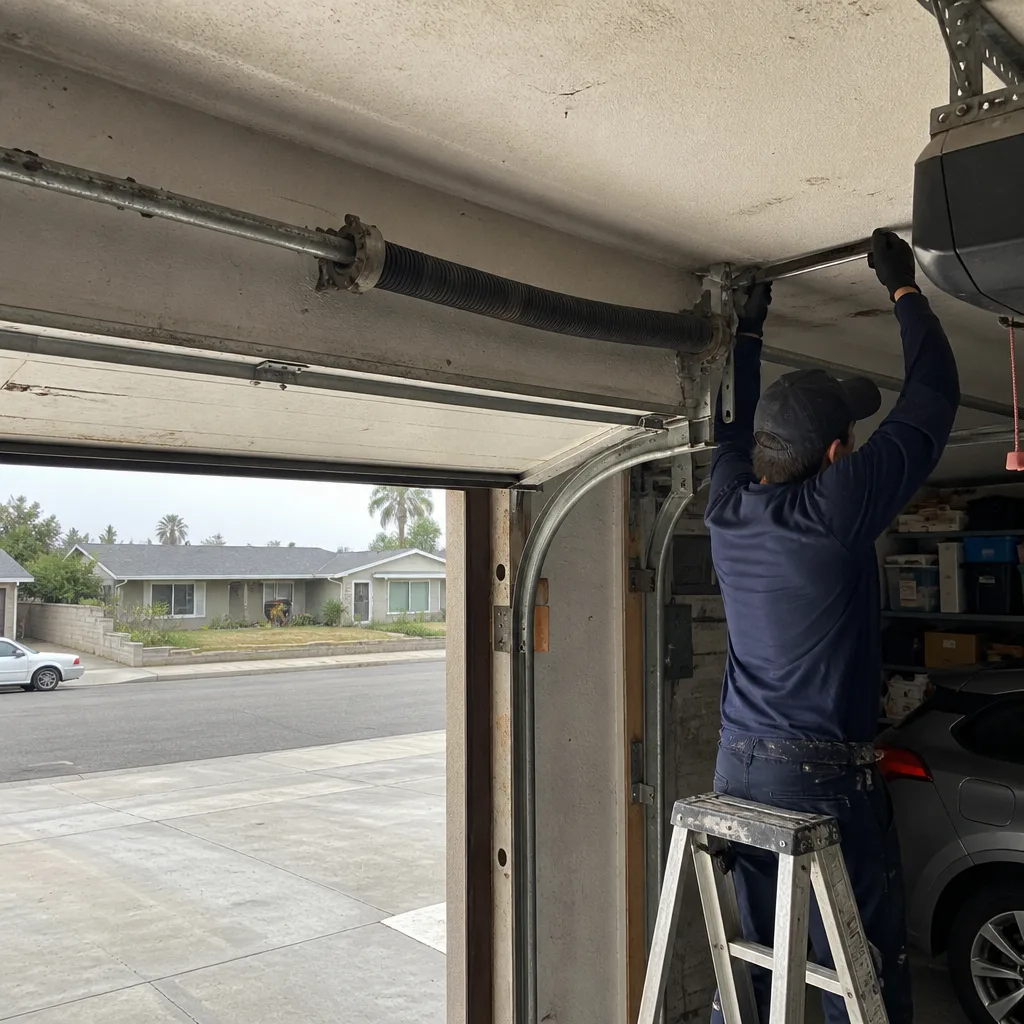 Before
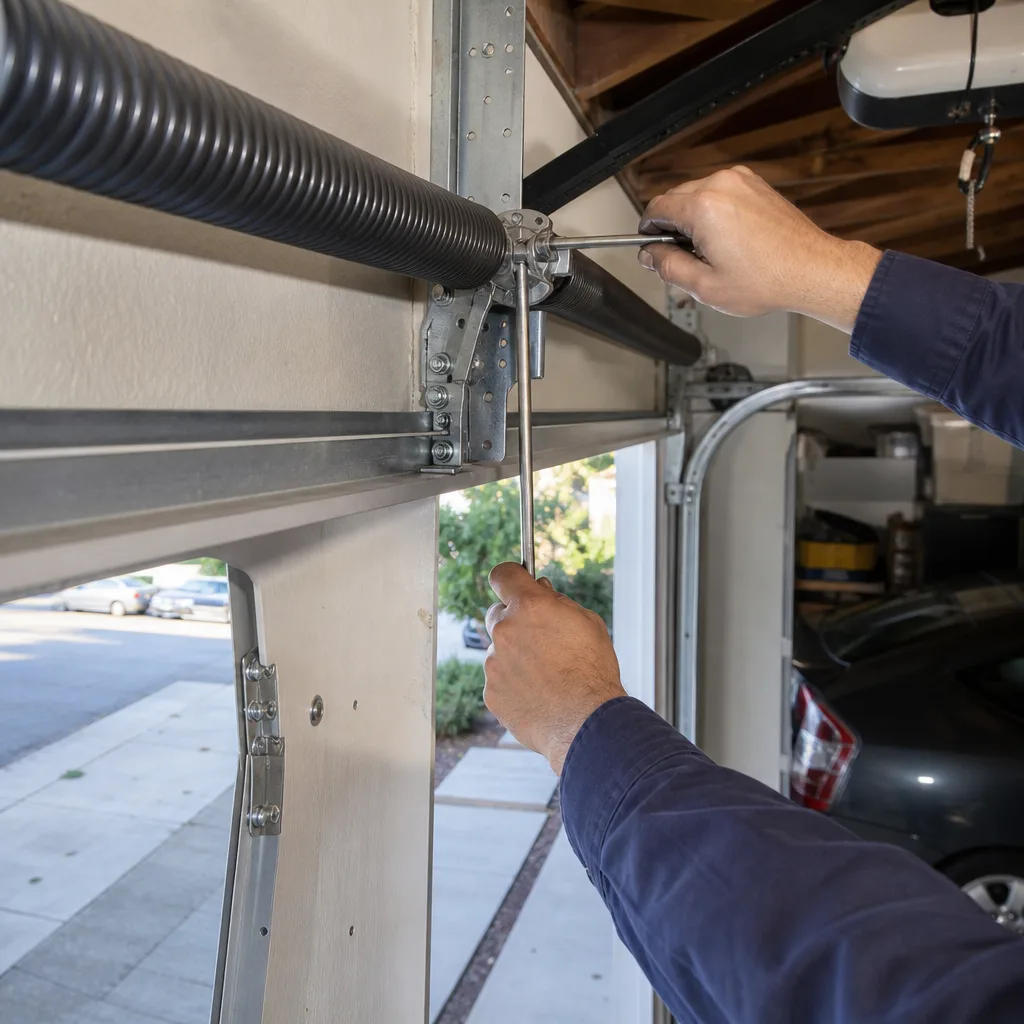 After
After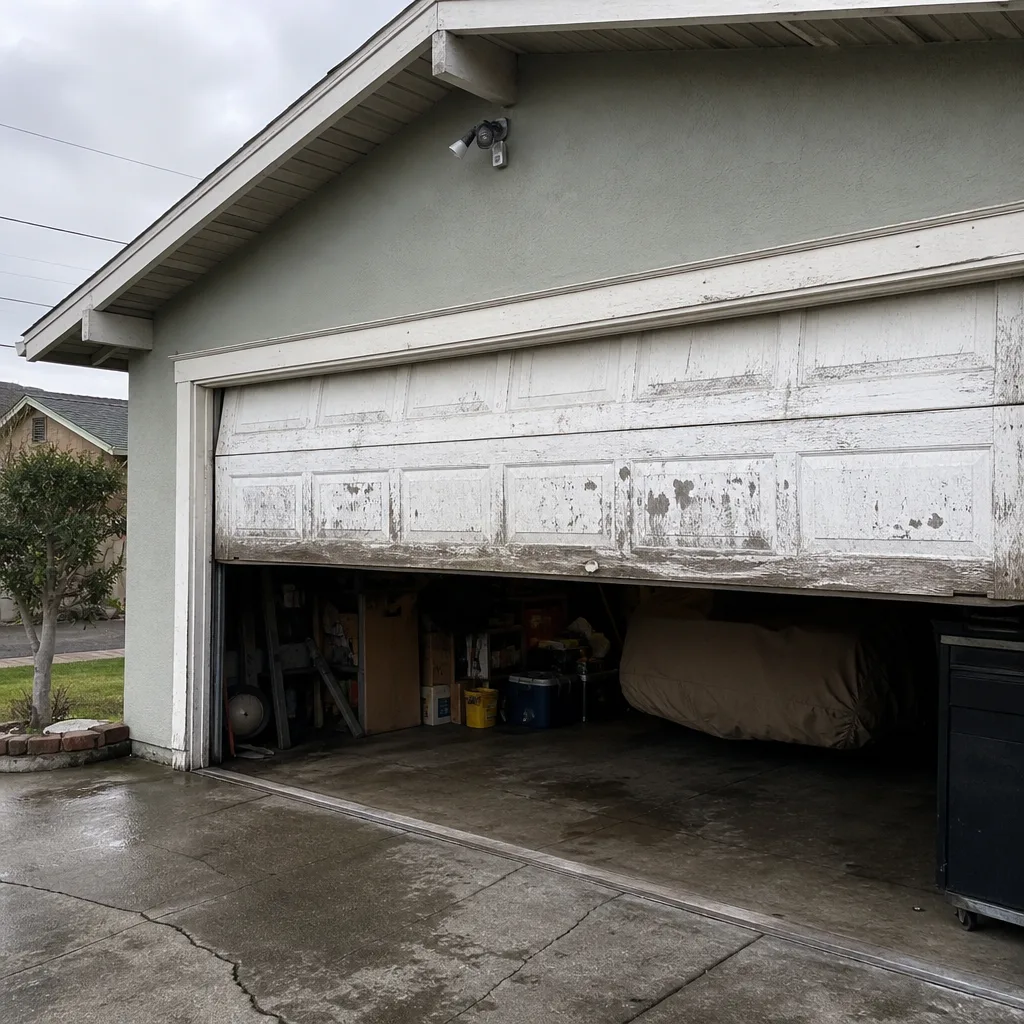 Before
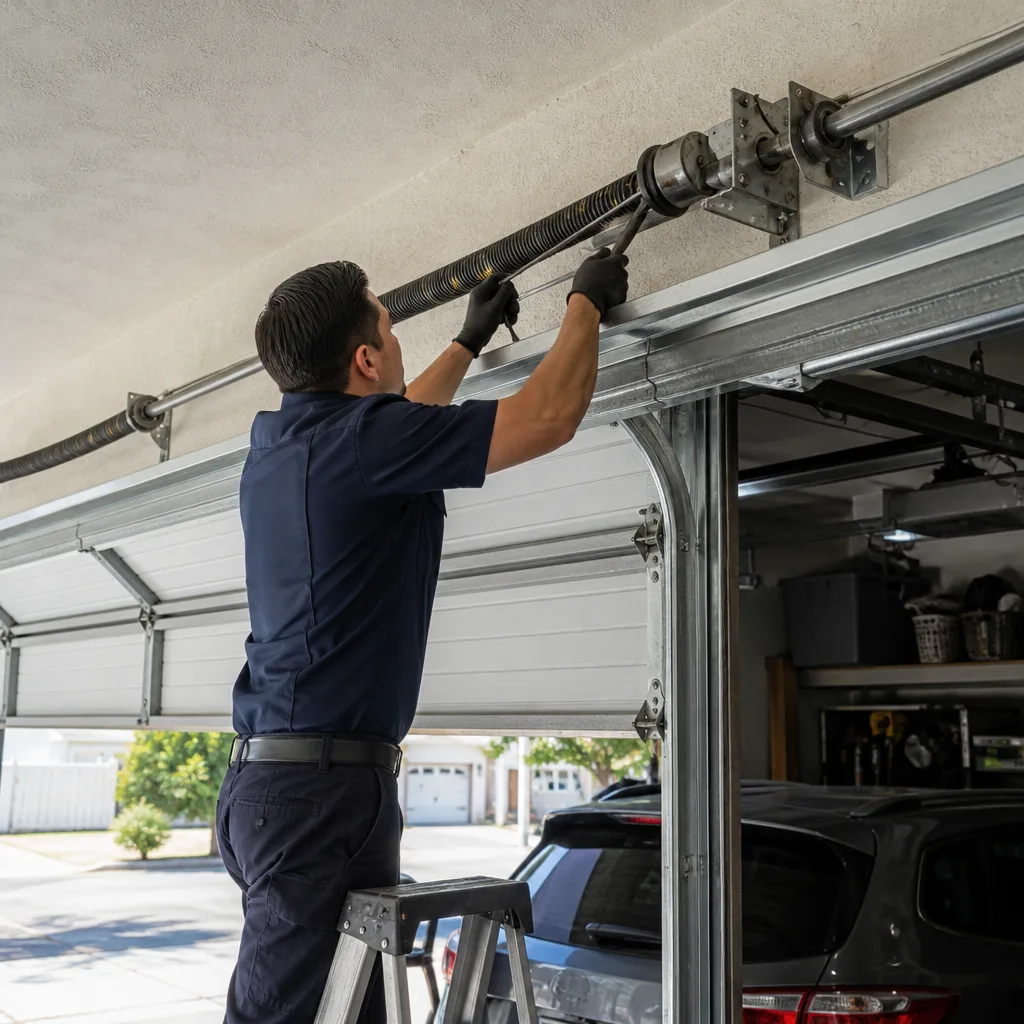 After
After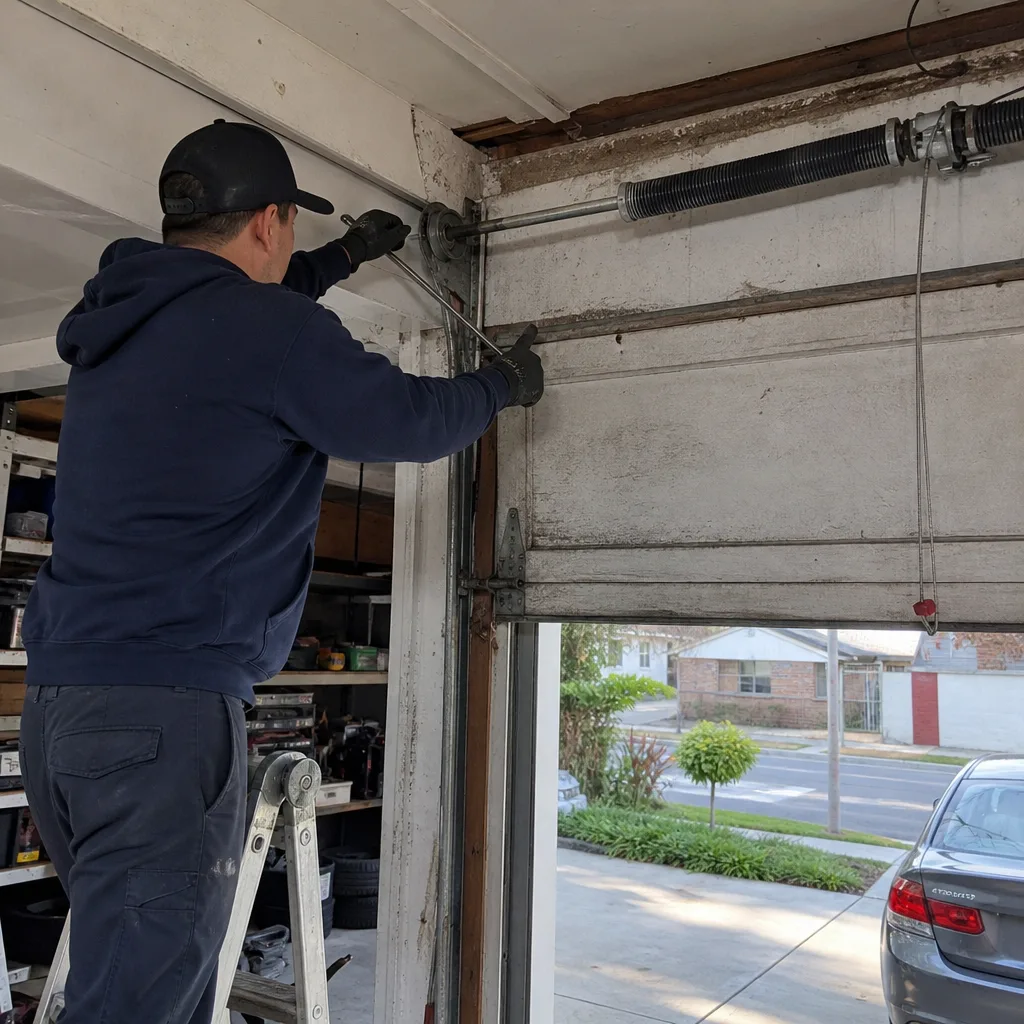 Before
 After
After