
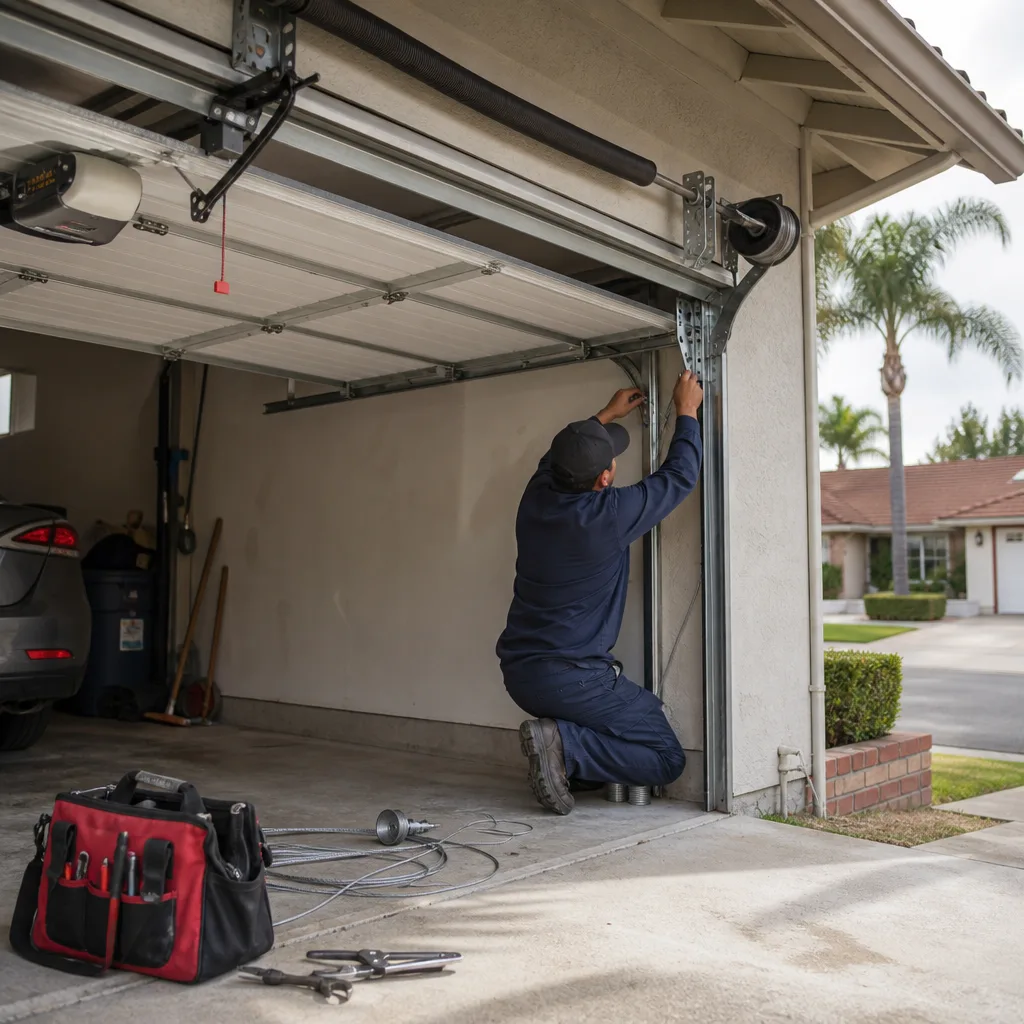
Last updated October 16, 2026
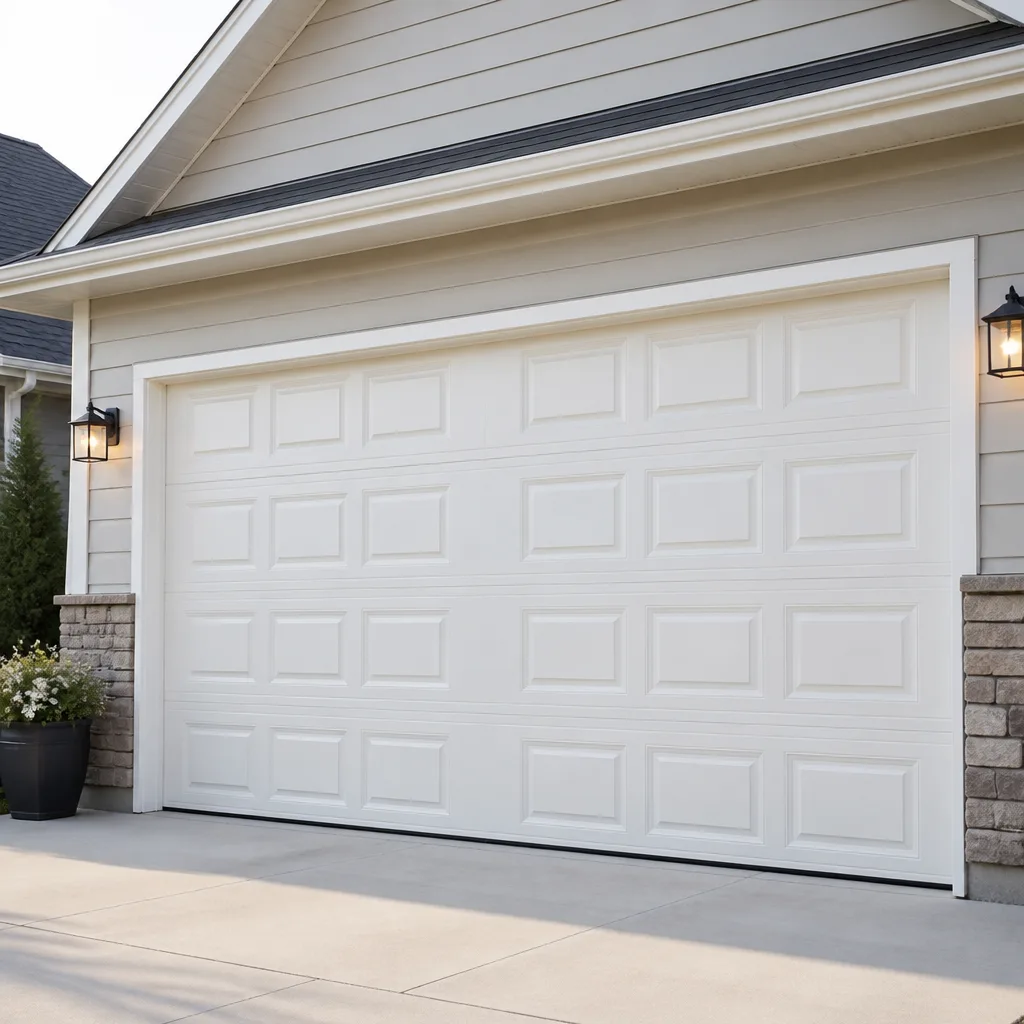 Raised-panel steel
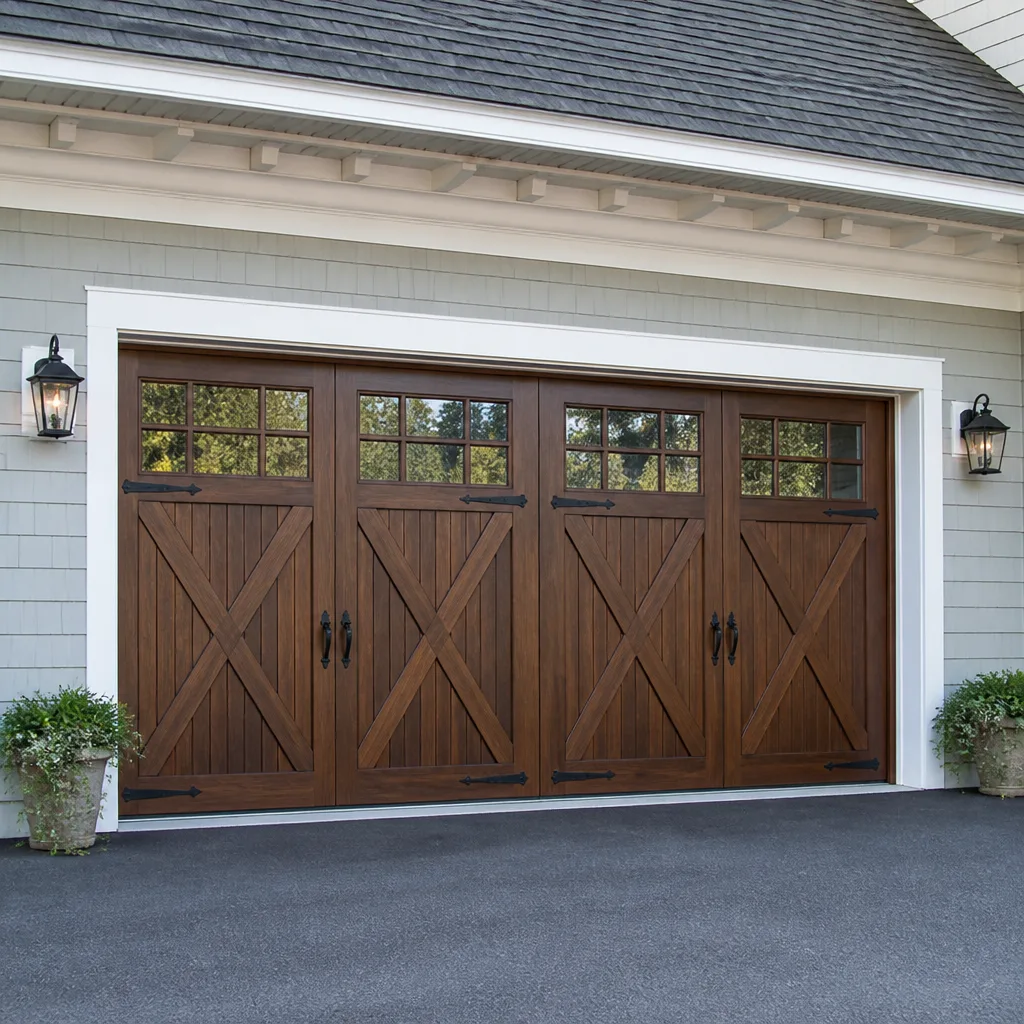 Carriage house
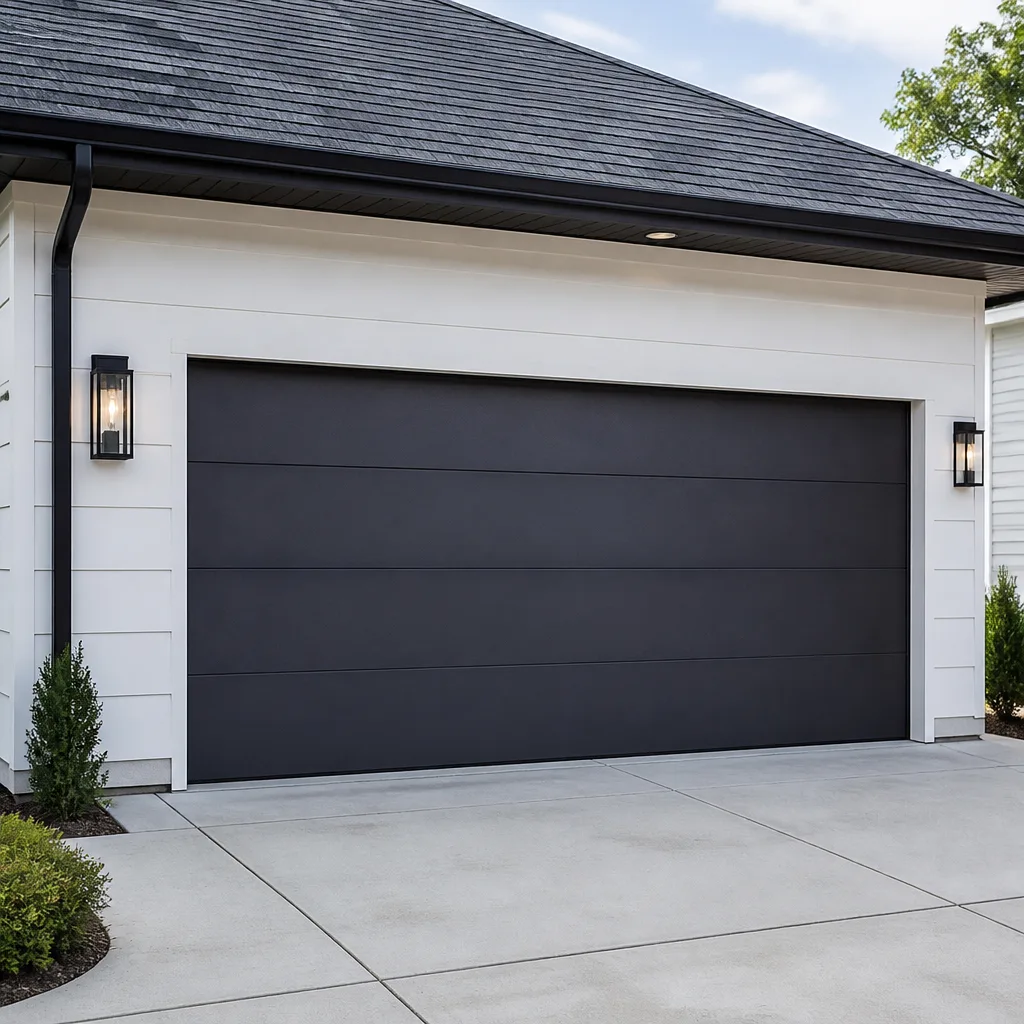 Modern flush
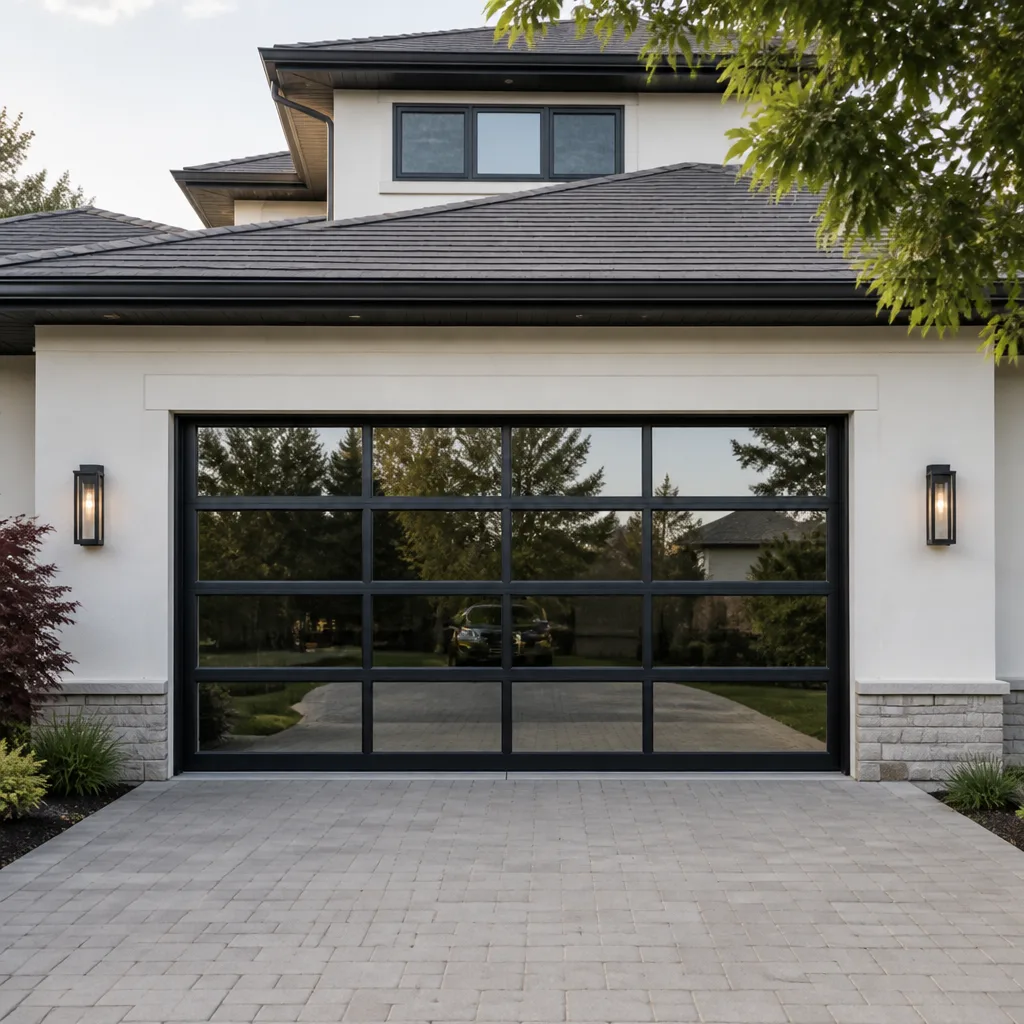 Full-view glass
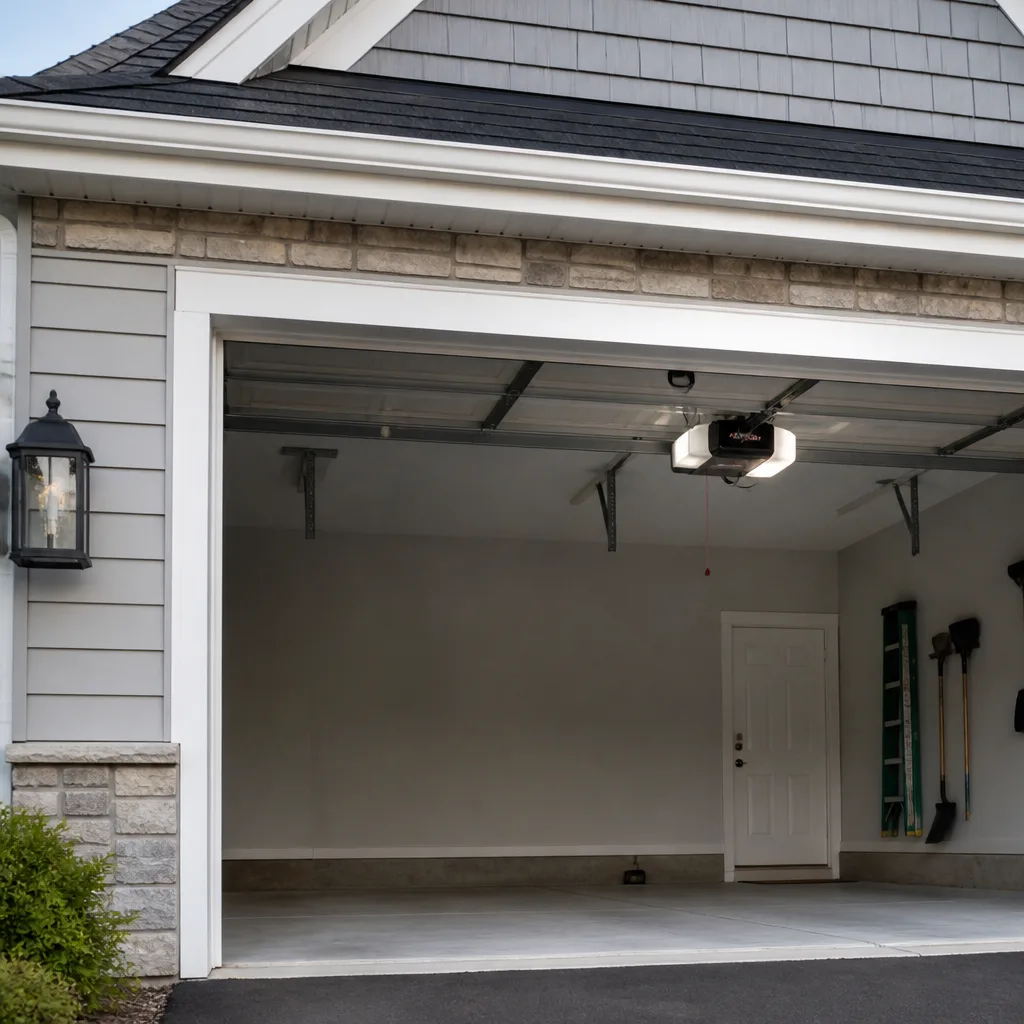 LiftMaster openers
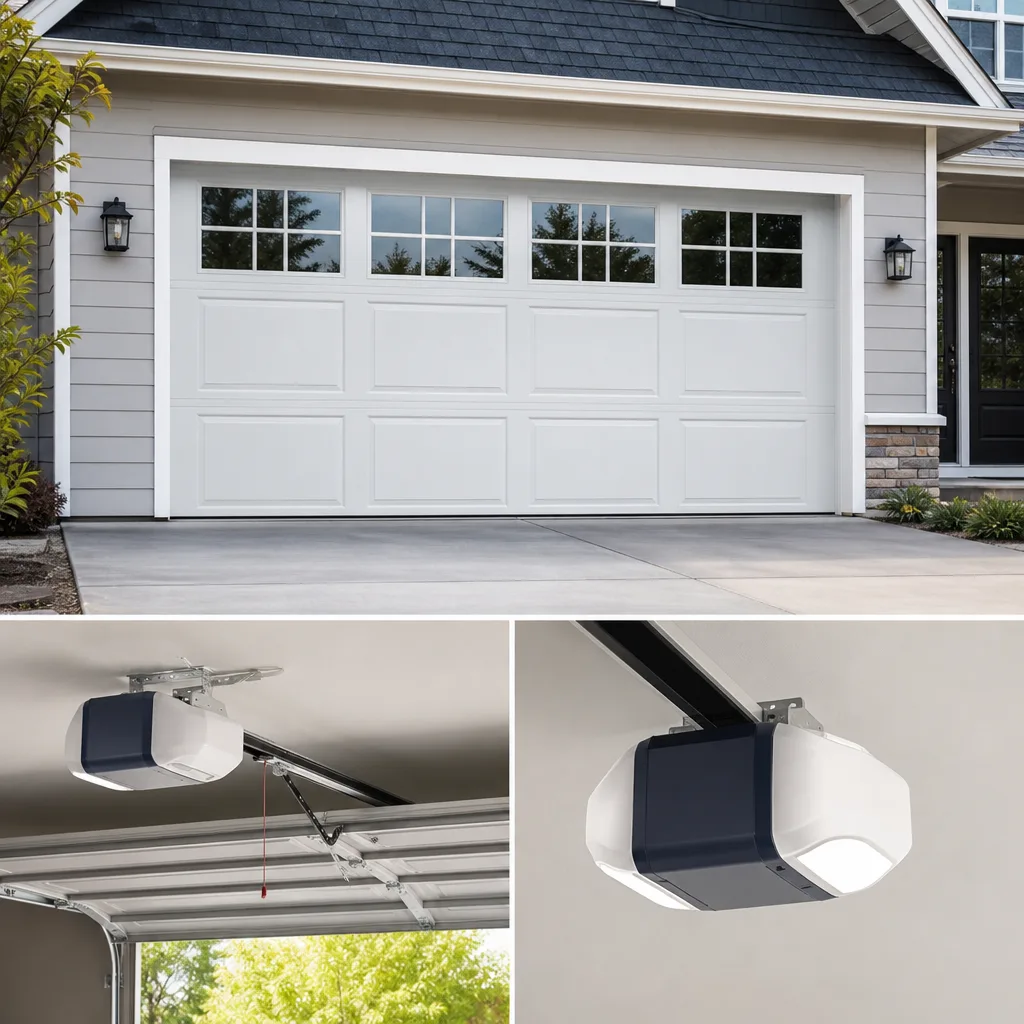 Chamberlain openers
Full 25-point door and opener safety check with every visit - springs, cables, rollers, tracks, and your LiftMaster or Chamberlain opener included
You get a price before we start. It does not change when the truck arrives.
Get your free estimateHow to Hire a Garage Door Contractor in Long Beach: A Step-by-Step Guide
Here’s a fact most Long Beach homeowners don’t know until it’s too late: in California, becoming a garage door contractor requires no specialty licensing beyond a general C-61/D28 classification. That means the legal barrier to entry is lower than most people assume, and the responsibility of separating legitimate operators from everyone else falls entirely on you. This guide walks through the exact steps to vet a contractor before you schedule, from license verification to the four questions that expose who will actually stand behind their work in Long Beach. For more, see our Complete Guide to Garage Door in Long Beach.
Styles & brands we work with
Quick Answer
To hire a garage door contractor in Long Beach, verify their California C-61/D28 license on the CSLB website, require a written estimate before any work starts, ask about parts warranty and labor guarantee in writing, and confirm a specific arrival window. Then check how they respond to negative reviews, because that pattern tells you more than any star average. A contractor who passes all four checks and hands you a written price before turning a single bolt is worth scheduling.
Table of Contents
- Step 1: Verify the California C-61/D28 License (Takes Under Two Minutes)
- Step 2: Understand Why a Verbal Estimate Is Legally Unenforceable
- Step 3: The Four Questions to Ask Before You Schedule
- Step 4: How to Read a Contractor’s Review Pattern, Not Just the Star Average
- Step 5: Red Flags Specific to the Garage Door Trade
- Step 6: What Garage Door Repair Actually Costs in Long Beach
- Step 7: Parts Terminology Decoded So You Understand the Invoice
- Common Mistakes to Avoid
- When to Call a Professional
- Frequently Asked Questions
- The Bottom Line
Step 1: Verify the California C-61/D28 License (Takes Under Two Minutes)
The State of California requires garage door contractors to hold a C-61/D28 limited specialty classification through the Contractors State License Board, commonly called the CSLB. That classification covers “Door and Window Installation” and specifically includes garage door installation and repair. The license must be active, not suspended or expired, and the name on the license should match the name on the estimate you receive.
Here’s the two-minute verification process:
- Go to cslb.ca.gov and click “Check a License” on the homepage.
- Enter the contractor’s business name or license number. The number is usually printed on their website, truck, or business card.
- Look for three things on the results page: the license status says “Active,” the classification includes C-61/D28, and the license expiration date hasn’t passed.
- Scroll down to check for any disciplinary actions, complaints, or bond claims filed against the license.
We’ve seen plenty of Long Beach homes where an unlicensed handyman undercut a licensed contractor by $80, then left a torsion spring improperly wound. The repair failed two weeks later, and the homeowner had no recourse because there was no license to file a complaint against. A license costs the contractor real money to maintain and real accountability if something goes wrong. Skip anyone who can’t show one.
Beyond the license, confirm the contractor carries general liability insurance and workers’ compensation. If a worker gets hurt on your property and the contractor doesn’t carry workers’ comp, you can be held liable. Ask to see a certificate of insurance if the job involves anything beyond a basic roller replacement.
Local context matters here too. Long Beach sits in a coastal zone with salt air that accelerates corrosion on steel components, especially on homes in Naples, Belmont Shore, and the Peninsula. A contractor who works this area regularly will already know to check for rust on the torsion assembly and bottom brackets, not just the visible panels. That’s the difference between a licensed operator with local experience and someone driving in from 40 minutes away who sees your door once and never again. For more on protecting your door year-round, read our Seasonal Garage Door Care for Long Beach: Year-Round Homeowner’s Guide.
Step 2: Understand Why a Verbal Estimate Is Legally Unenforceable
California contractor law requires home improvement contracts exceeding $500 to be in writing, but even below that threshold, a verbal estimate protects the contractor, not you. If the price moves at the door or after the work starts, you have no document to point to. “You said $250” becomes a dispute resolved by whoever argues more convincingly.
A compliant written estimate in California must include:
- The contractor’s name, address, and CSLB license number
- A detailed description of the work to be performed
- The specific parts to be installed, including brand and model where applicable
- The total price for labor and parts, itemized
- The payment schedule and any deposit required (deposits are capped at 10% or $1,000, whichever is less, for home improvement projects)
- The estimated start and completion dates
- A statement that the contractor carries the required insurance
At Brock Garage Doors Long Beach, every job starts with a written price handed to the homeowner before any work begins. Not a verbal range. Not a “we’ll see once we open it up.” The number on the invoice matches the number you approved because that’s the only way the system works. If a contractor won’t put the price in writing before starting, find a different contractor.
Step 3: The Four Questions to Ask Before You Schedule
These four questions separate accountable contractors from ones who disappear after the invoice. Ask them in order, and don’t schedule until all four have acceptable answers.
Question 1: “What is your license number, and may I verify it on the CSLB website?”
What an acceptable answer sounds like: “It’s 1234567, and yes, verify it right now while I’m on the phone. The name on the license is what you’ll see on the estimate.”
What a red flag sounds like: Any hesitation, an explanation about why a different company name appears on the license, or “I work under a friend’s license.” That last one is called license renting and it’s illegal in California.
Question 2: “Will the price be in writing before you start any work?”
What an acceptable answer sounds like: “Yes, I’ll give you a written estimate with parts, labor, and total. You approve it before I touch anything.”
What a red flag sounds like: “I’ll give you a rough number now and we’ll finalize it after I see the door.” That’s a setup for an upsell at the door.
Question 3: “What warranty do you put in writing on parts and labor?”
What an acceptable answer sounds like: “Everything I install is covered in writing for one year, parts and labor. If it fails in that window, I come back at no charge.”
What a red flag sounds like: “The parts have a manufacturer’s warranty, so you’re covered.” The manufacturer covers defects. It rarely covers the labor to re-install, and it definitely doesn’t cover installation errors. You need the contractor’s own guarantee in writing.
Our Garage Door Repair in Long Beach service includes The Garrison Standard, which means every repair carries a 365-Day Done Right Promise in writing. If the repair fails within a year, we return and make it right at no charge. Not negotiated. Not reconsidered. It’s on the invoice.
Question 4: “What is your arrival window, and how will I know who’s coming?”
What an acceptable answer sounds like: “We give a two-hour window, and the technician will call when they’re on the way. They’ll be in uniform and I can give you their name before they arrive.”
What a red flag sounds like: “Sometime between 8 and 5.” That’s not an arrival window, that’s a surrender. It signals a contractor who overbooks and doesn’t respect your time.
The easiest way to remember all this: license, written price, written warranty, named arrival. Those four answers tell you 90% of what you need to know before a single tool comes out.
Step 4: How to Read a Contractor’s Review Pattern, Not Just the Star Average
Every contractor gets at least one bad review. What matters isn’t that the review exists. It’s how the contractor responded to it. Read the owner’s replies to negative reviews before you look at anything else.
Here’s the pattern to look for:
- Acknowledge the specific complaint. A response that says “We’re sorry you had this experience and we’d like to make it right” without naming the complaint is a template. A response that says “Our technician misdiagnosed the torque tube issue and we’ve refunded the labor” is a company that tracks its problems.
- Dispute only the facts, not the person. Professional responses correct inaccurate claims without calling the customer names. Defensive, angry responses tell you exactly how you’ll be treated when your job goes sideways.
- Offer a path to resolution. The response should include “call me directly at” or “our service manager reached out.” A contractor who ignores negative reviews or argues without offering resolution cares more about being right than fixing problems.
Now look at the complaints themselves. Are they about price changing after the work started? Lack of follow-up? Sloppy cleanup? Those are structural business problems, not one-off bad days. Are they about things outside the contractor’s control, like parts availability or weather delays? Those are less concerning. Three separate complaints about price changes at the door tell you the verbal-estimate pattern is chronic.
In Long Beach specifically, pay attention to reviews from owners of older homes in neighborhoods like Bixby Knolls, California Heights, and Belmont Heights. Many of those doors are 20 to 30 years old, which means the technician needs to diagnose worn components, not just swap parts. A review pattern showing the company handled vintage doors correctly speaks volumes.
Step 5: Red Flags Specific to the Garage Door Trade
Some warning signs are universal to home services. Others are specific to garage doors because the trade has certain structural patterns that bad actors exploit. Here’s what to watch for:
- “While I’m here” pricing pressure. A technician arrives for a quoted $120 roller replacement, then “discovers” your torsion spring is “about to break” and offers to replace it for $400 on the spot. Real garage door companies don’t run on surprise upsells. If the price changes while the tech is standing in your garage, that’s a script, not a diagnosis.
- Vague parts descriptions on the invoice. “Door hardware” is not an invoice line. “Clopay 218 bottom bracket, galvanized” is. If the parts aren’t specifically named, you have no way to verify what went on your door or whether the warranty means anything.
- Post-job upsell calls. You paid for a spring replacement. Two weeks later, someone calls recommending a “preventative maintenance plan” or “urgent bearing replacement.” Legitimate contractors don’t create problems after the fact. If they saw something, they’d have told you during the original visit.
- Cash-only pricing. A contractor who only accepts cash is avoiding a paper trail. That’s why they don’t have to honor warranties or answer to the CSLB. Every legitimate contractor in Long Beach accepts checks, cards, or app-based payments.
- No physical address on the website or estimate. A licensed contractor has a registered business address with the CSLB. If you can’t find one, neither can the state when you need to file a complaint.
Step 6: What Garage Door Repair Actually Costs in Long Beach
Knowing the real market rates before you call protects you from the “while I’m here” pricing pressure described above. Here’s what Long Beach homeowners can expect to pay for common repairs as of 2026:
| Repair Type | Typical Long Beach Range | What Affects the Price |
|---|---|---|
| Torsion spring replacement (single) | $180 – $340 | Spring cycle rating, door weight |
| Torsion spring replacement (double) | $280 – $500 | Both springs replaced together, which is standard practice |
| Cable replacement (per pair) | $150 – $275 | Cable type, drum condition, rust damage |
| Opener motor replacement | $350 – $650 | Brand, horsepower, drive type |
| Roller replacement (full set) | $120 – $220 | Nylon vs. steel rollers, quantity |
| Track realignment | $100 – $200 | Extent of misalignment, bracket condition |
| Panel replacement | $300 – $800 per panel | Panel size, insulation, color matching |
| Full door replacement (installed) | $1,500 – $4,500+ | Size, insulation level, brand, window options |
These ranges reflect the Long Beach market specifically, where coastal salt exposure means slightly higher replacement rates for steel components than inland areas. If a quote falls dramatically below these ranges, ask why. Contractors who underprice either use inferior parts, skip steps like torquing bolts to spec, or plan to make up the difference on an upsell.
Every repair at Brock Garage Doors Long Beach starts with an itemized written estimate. You see the parts, the labor, and the total before anything is touched. The number on the estimate is the number on the invoice. Full stop. Our Garage Door Cable Repair in Long Beach work follows the same rule, and cable work is where vague pricing hurts most because the parts cost is low but the labor is specialized.
Step 7: Parts Terminology Decoded So You Understand the Invoice
Good contractors explain the work in plain English. Bad contractors hide behind jargon. Here’s the vocabulary you’ll encounter on a garage door estimate, decoded so you know exactly what you’re paying for:
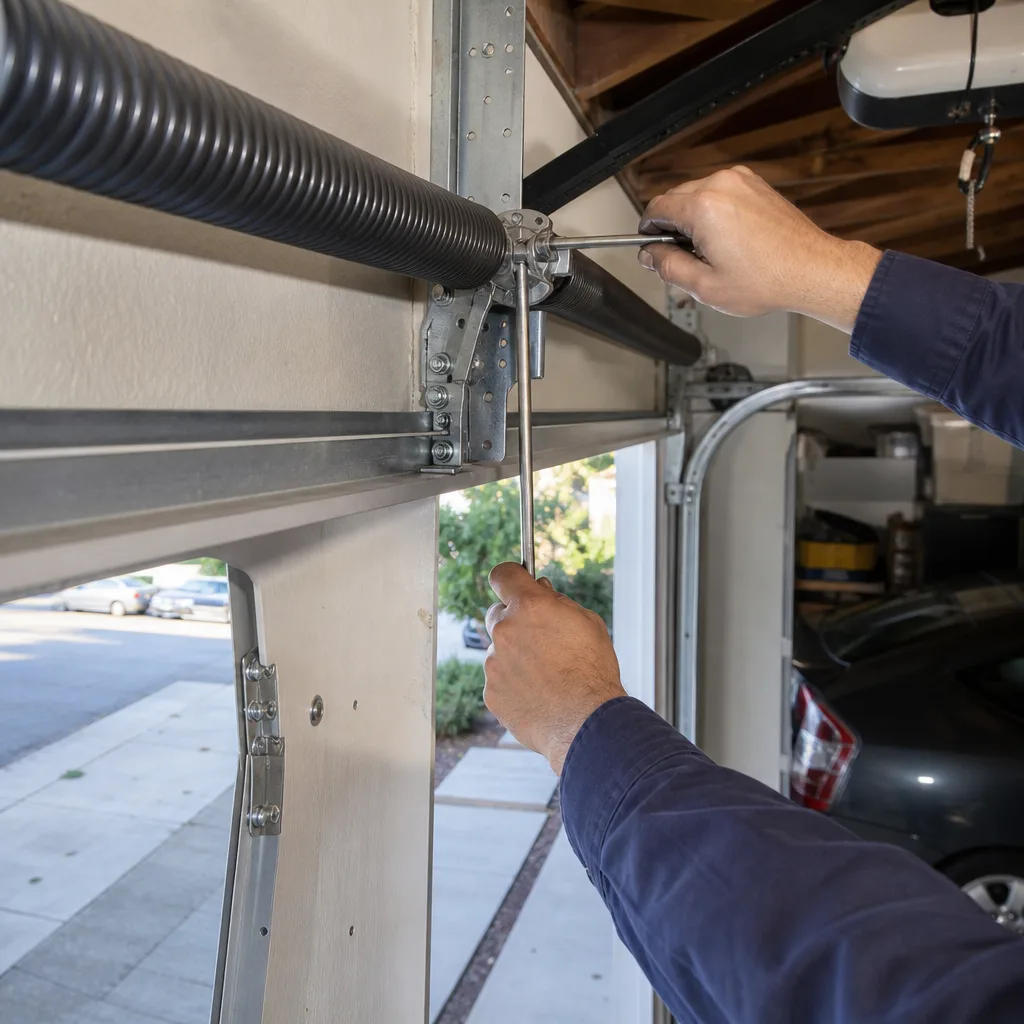
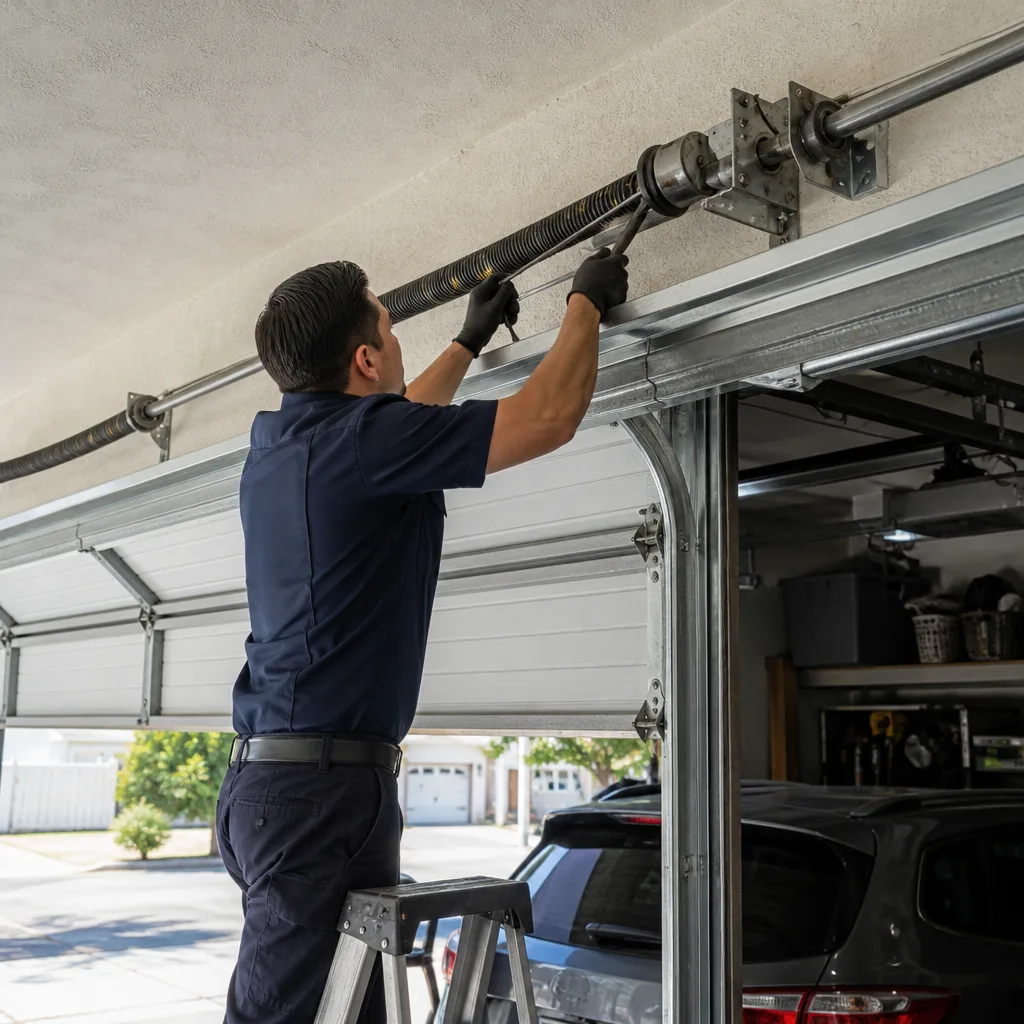
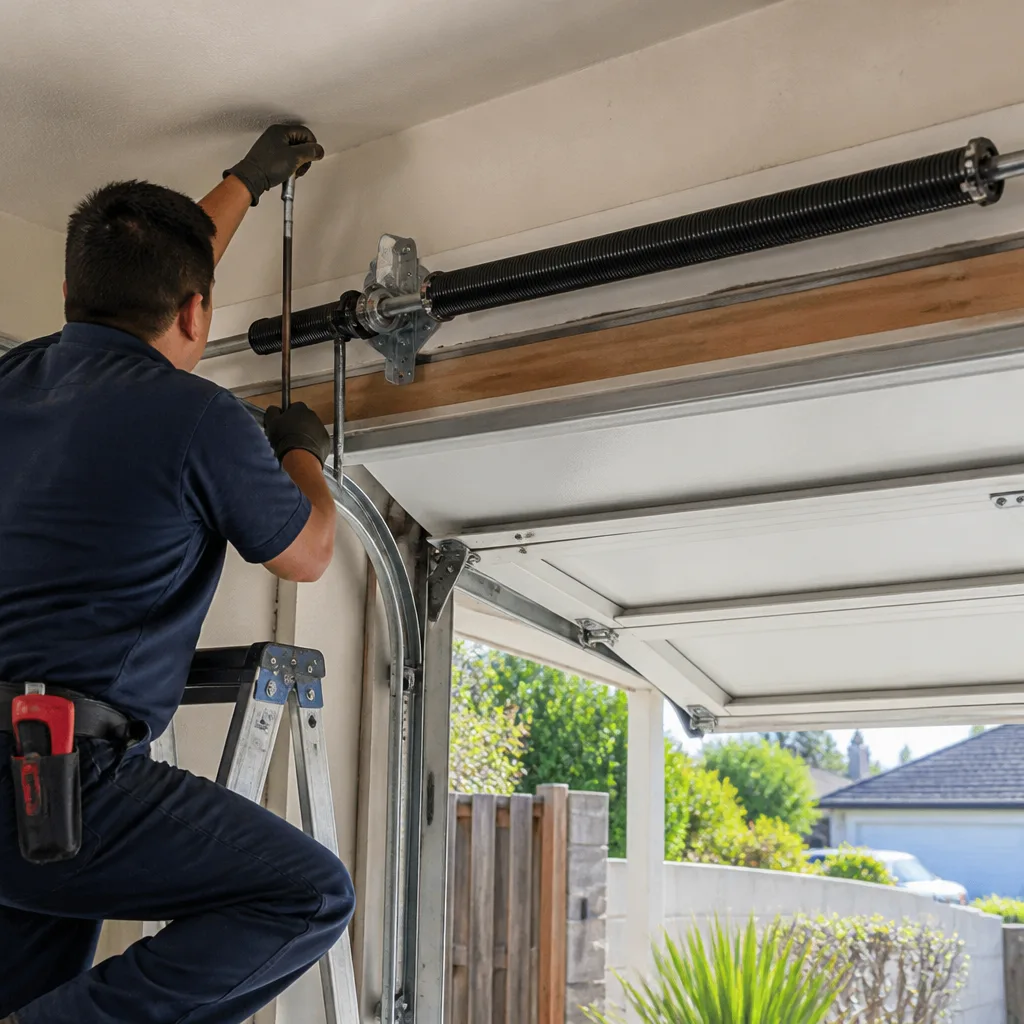
- Torsion spring: The thick coiled spring mounted on a metal rod above the door. It bears most of the door’s lifting load. When it breaks, you’ll hear a sound like a gunshot from the garage. Never attempt to replace this yourself: the spring is under thousands of pounds of tension and can cause serious injury if it releases.
- Extension spring: A longer, thinner spring that runs along the horizontal track on either side. Less common on newer doors but still found on older Long Beach homes in areas like Bluff Heights and Rose Park.
- Drum: The grooved wheel at the end of the torsion rod where the cable wraps. A damaged drum can shred a new cable in days.
- Cable: The steel wire that runs from the drum to the bottom bracket, lifting the door from both sides. A frayed cable is a warning sign of imbalanced springs.
- Bottom bracket: The metal fixture connecting the cable to the lowest panel. Rusted bottom brackets are common in Long Beach due to salt air.
- Track: The vertical and horizontal rails the rollers travel along. A misaligned track causes jerky movement and accelerates roller wear.
- Opener carriage: The moving part on the rail that pulls the door open via the arm. When the carriage strips, the door won’t open and you’ll hear the motor running with no movement.
On the brand side, most Long Beach garages run one of the major opener brands. We service LiftMaster, Chamberlain, Genie, Clopay, Amarr, Wayne Dalton, Craftsman, and Raynor because training on a single brand produces technicians who apply generic fixes to specific systems. A Chamberlain opener has a different logic board layout than a Genie. A Clopay door uses different hinge spacing than an Amarr. The right fix is the one designed for your exact system, and you should ask whether the technician has worked on your brand before they arrive. Our team trains on all eight, so the answer is always yes. For opener-specific issues, our Garage Door Opener Repair in Long Beach page covers the common failure patterns in more detail.
Common Mistakes to Avoid
- Taking the cheapest quote without asking why it’s cheap. The lowest bidder in the Long Beach market is often using uncertified parts or planning a door-step upsell. A $90 spring job smells like a setup because the part alone costs more than that from any legitimate supplier.
- Replacing the opener when the problem is the springs. A door that opens halfway then stops is usually a spring tension issue, not a motor issue. Some contractors will sell a $500 opener replacement when a $220 spring replacement fixes it. Ask for a diagnosis in writing before approving the work.
- Ignoring a door that’s slightly off-balance. A door that drifts to one side or feels heavy when you detach the opener is wearing down every component. Fixing it now costs less than the cascade of failures it causes later.
- Not asking about cleanup before the job. A spring replacement creates metal debris, and a track realignment involves drilling and lubricant. Ask whether the tech will sweep and remove the old parts before they leave. A contractor who doesn’t answer that question fast has left a mess on someone’s garage floor before.
- Paying in full before the work is complete. Standard practice for repair work is payment upon completion, after you’ve seen the door cycle properly several times and the site is clean. Any contractor demanding full payment upfront is violating California’s deposit limits and your trust.
- Choosing a company with no Long Beach presence. A contractor who drives in from outside will be gone when the guarantee matters. Local accountability means someone who will return to Naples, Los Altos, or Lakewood Village when the repair needs attention, not someone who treats those neighborhoods as a drive-by market.
When to Call a Professional
Some garage door issues are safe to address yourself: tightening a loose bolt, lubricating hinges with a silicon-based spray, clearing debris from the track. Others are genuinely dangerous and should be left to a trained technician. Not sure which category applies? See our DIY vs Professional Garage Door: The Long Beach Homeowner’s Decision Guide. Any work involving torsion springs or cables under tension carries real injury risk. If you hear unusual noises, see visible spring gaps, or notice a door that jerks during operation, stop using the door and call someone who handles these repairs full-time.
The same goes for opener replacements. Modern openers require electrical wiring, safety sensor alignment, and force-limit calibration. A wrong connection can damage the motor or create a safety hazard for anyone walking under the door. Brock Garage Doors Long Beach offers free estimates in Long Beach. Call (562) 337-3993 to schedule a visit, and we’ll hand you a written price before any work begins.
Frequently Asked Questions
Search the contractor’s name or license number on the CSLB website at cslb.ca.gov. Look specifically for an active C-61/D28 classification, which is the limited specialty license covering garage door installation and repair in California.
The estimate should include the contractor’s license number, an itemized list of parts with brand names, labor cost, total price, estimated start date, and a written warranty statement. California law requires written contracts for any home improvement job over $500.
Low bids usually reflect uncertified parts, skipped safety steps, or a plan to upsell at the door. Coastal Long Beach homes also face higher corrosion rates, which means cheap galvanized components wear out faster and cost more in the long run.
Reputable ones do, but the warranty must be in writing. Brock Garage Doors Long Beach provides a 365-Day Done Right Promise in writing with every repair, covering parts and labor for a full year. If the repair fails in that window, we return at no charge.
Most single spring replacements take 60 to 90 minutes once the technician arrives. If both springs are being replaced, which is recommended practice since they wear at the same rate, allow two hours and budget accordingly.
Replace both. Torsion springs are installed in pairs and wear at roughly the same rate. Replacing one means the other is likely near failure, and you’ll pay for a second visit in a few months. The incremental cost of a second spring is far less than a second trip charge.
The Bottom Line
Hiring a garage door contractor in Long Beach comes down to four verifiable facts: an active C-61/D28 license, a written price handed over before any work starts, a written warranty with real terms, and a specific arrival window with an identified technician. Ask for those four things and watch how quickly the answers arrive. A contractor who can provide them instantly has nothing to hide. One who hesitates is giving you useful information either way. Verify the license, read how they handle complaints, and remember that the cheapest quote is rarely the cheapest door when the repair fails in six months. For more guides & resources, visit our blog.
Brock Garage Doors Long Beach offers Brock Garage Doors Long Beach home service territory coverage across the city, and a live person answers calls at (562) 337-3993. Get the written price first. Then decide.
Written by Wade Mercer, Owner at Brock Garage Doors Long Beach, serving Long Beach since 2001.
See the difference
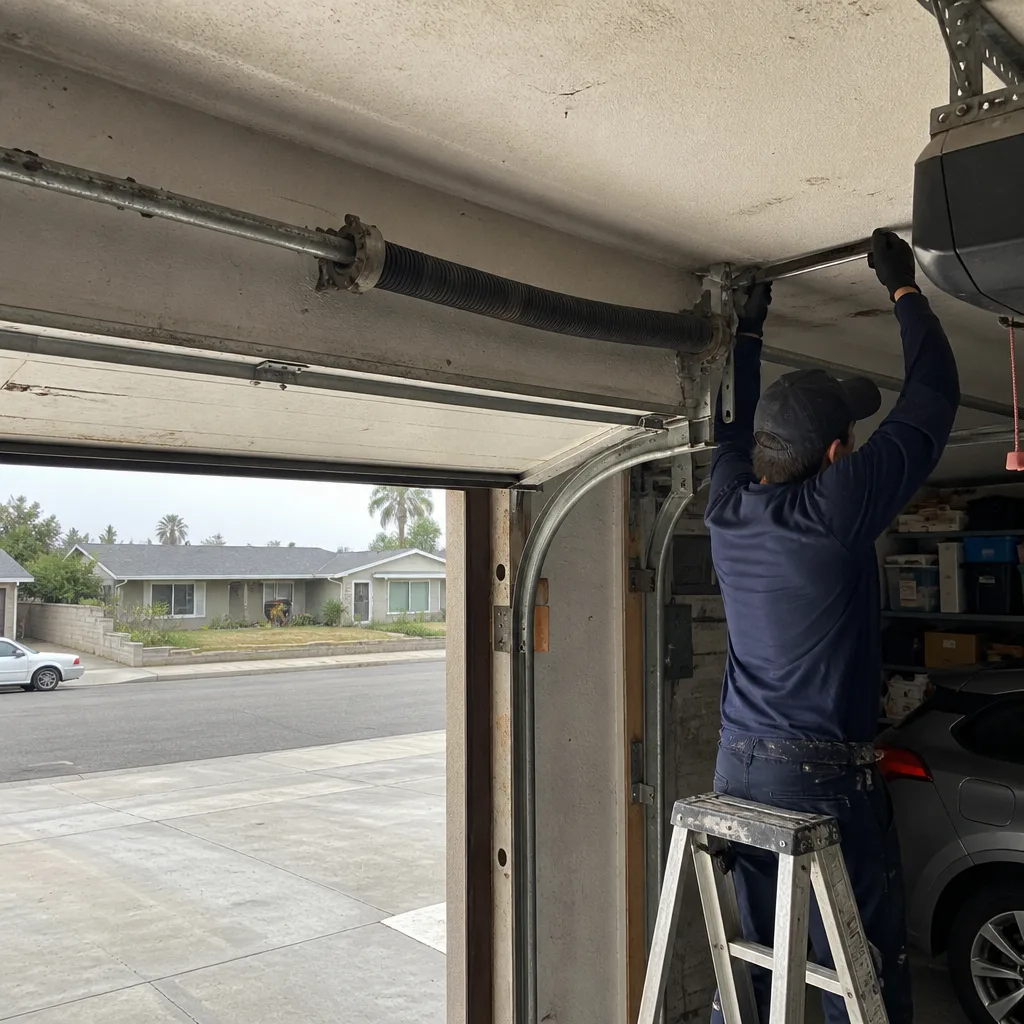 Before
 After
After Before
 After
After Before
 After
After